

When you’re standing in front of shelves full of grass seed bags, it’s easy to assume they all contain the same thing. The packaging often highlights lush green lawns and promises quick results, but the real story is found on the grass seed tag. Understanding a grass seed tag is one of the most valuable skills a homeowner can learn before starting a new lawn or overseeding an existing one. That small label tells you exactly what you’re buying—including how much actual seed is in the bag, how likely it is to germinate, and whether you’re accidentally introducing weeds into your lawn.
Here’s what you should know before making your next purchase.
Why the Seed Tag Matters
In the United States, every bag of grass seed is required to include a seed analysis label. While it may not be exciting reading, it provides important information about the quality of the product.
Two bags may both weigh 25 pounds and have similar photos on the front, but the seed tag can reveal dramatic differences in what you’re actually paying for.
Pure Seed Percentage
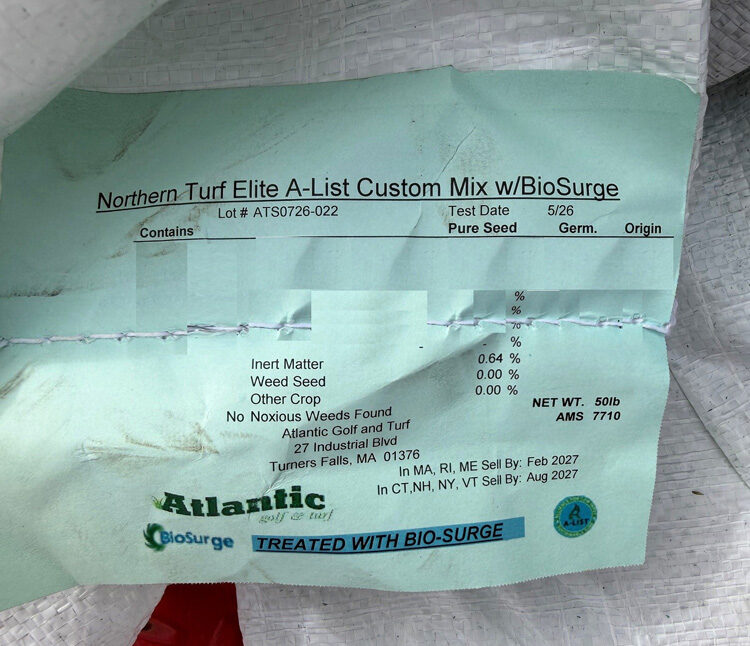
One of the first numbers you’ll see is Pure Seed. This tells you what percentage of the bag consists of actual grass seed. For example:
- Pure Seed: 90%
- Coating and other material: 10%
A higher pure seed percentage generally means you’re getting more usable seed for your money. If a bag contains only 50-60% pure seed because it’s heavily coated, you’re paying for far less actual grass seed than you might expect.
Seed Coating: Helpful or Too Much?
Many premium grass seeds today include a coating. Seed coatings can provide benefits such as:
- Improved moisture retention
- Easier seed visibility during application
- Protection during germination
- Starter nutrients or biological additives
A light coating can be beneficial. However, some products contain extremely heavy coatings that make up 40%, 50%, or even more of the total bag weight.
That means a 25-pound bag may only contain 12-15 pounds of actual seed.
This doesn’t necessarily make coated seed “bad,” but it’s important to compare products based on how much live seed you’re actually purchasing rather than simply comparing bag size or price.
Germination Percentage
Another important section is the Germination rating. This indicates the percentage of seed that successfully sprouted during laboratory testing under ideal conditions. For example:
- Germination: 95%
This means approximately 95% of the viable seed germinated during testing.
Higher germination percentages generally provide:
- Faster establishment
- Fuller lawns
- Better return on your investment
Lower germination percentages mean more seed may never sprout, even if planted correctly.
Weed Seed
This may be the most overlooked number on the label. The seed tag lists the percentage of weed seed contained in the bag. Naturally, you want this number to be as close to 0.00% as possible. Even small percentages can introduce unwanted weeds into a newly seeded lawn, creating problems that may require herbicide treatments later. Buying quality seed with minimal weed seed helps give your new lawn the best possible start.
Crop Seed
You’ll also see a category called Other Crop Seed. This refers to agricultural or crop plants that aren’t considered weeds but also aren’t desirable lawn grasses. Examples could include:
- Orchardgrass
- Timothy
- Other forage grasses
While these aren’t technically weeds, they can create an uneven appearance and texture in a residential lawn. Again, the lower this percentage, the better.
Noxious Weeds
One of the most important lines on the tag is Noxious Weed Seed. Ideally, this should always read: 0.00% Noxious weeds are regulated invasive plants that can spread aggressively and are difficult to control. Quality seed producers work hard to eliminate them entirely.
Grass Species and Variety
Not all grass seed is created equal. The tag will identify exactly which grass species and varieties are included. Rather than simply saying “sun mix” or “contractor blend,” quality products list specific named cultivars.
For Northern Maine lawns, look for cool-season grasses such as:
- Kentucky Bluegrass
- Turf-Type Tall Fescue
- Improved Perennial Ryegrass
- Fine Fescues (when appropriate)
Each species brings different strengths, including drought tolerance, wear resistance, disease resistance, or shade tolerance. The best mix depends on your property and growing conditions.
Freshness Counts Too
Every seed tag also includes a testing date. Grass seed naturally loses viability over time, so fresher seed typically provides better germination. Whenever possible, purchase seed that has been tested recently rather than bags that may have been sitting in storage for multiple seasons.
Why Professional Recommendations Matter
At Northern Turf, we spend a great deal of time selecting seed blends that perform well in Northern Maine’s climate. Rather than choosing seed based solely on price, we evaluate germination rates, improved grass varieties, weed seed content, and overall performance.
Whether we’re performing overseeding, slit seeding, or hydroseeding, using quality seed helps produce thicker, healthier lawns with better long-term results. Understanding a grass seed tag gives homeowners the knowledge to make smarter purchasing decisions and avoid products that may look like a bargain but contain less usable seed than expected.
Ready to Grow a Better Lawn?
Whether you’re planning a lawn renovation, repairing bare spots, or establishing a brand- new lawn, Northern Turf can help you select the right seed and planting method for your property. Our team proudly offers professional overseeding, slit seeding, hydroseeding, and lawn establishment services designed specifically for Northern Maine conditions. Give us a call today at 207-544-9420 to discuss your lawn goals and let us help you grow a healthier, thicker lawn from the ground up.