Insect & Disease Management
Your trees and shrubs are valuable parts of your landscape, but they are also living plants that can become vulnerable to insects, diseases, environmental stress, and other health problems. Northern Turf Management provides insect and disease management for trees and shrubs designed to identify problems early, protect plant health, and help ornamental landscapes thrive throughout Maine’s growing season.
Unlike lawn insect and disease treatments, this service is specifically focused on ornamental trees and shrubs throughout your landscape.
What Is Insect & Disease Management for Trees & Shrubs?
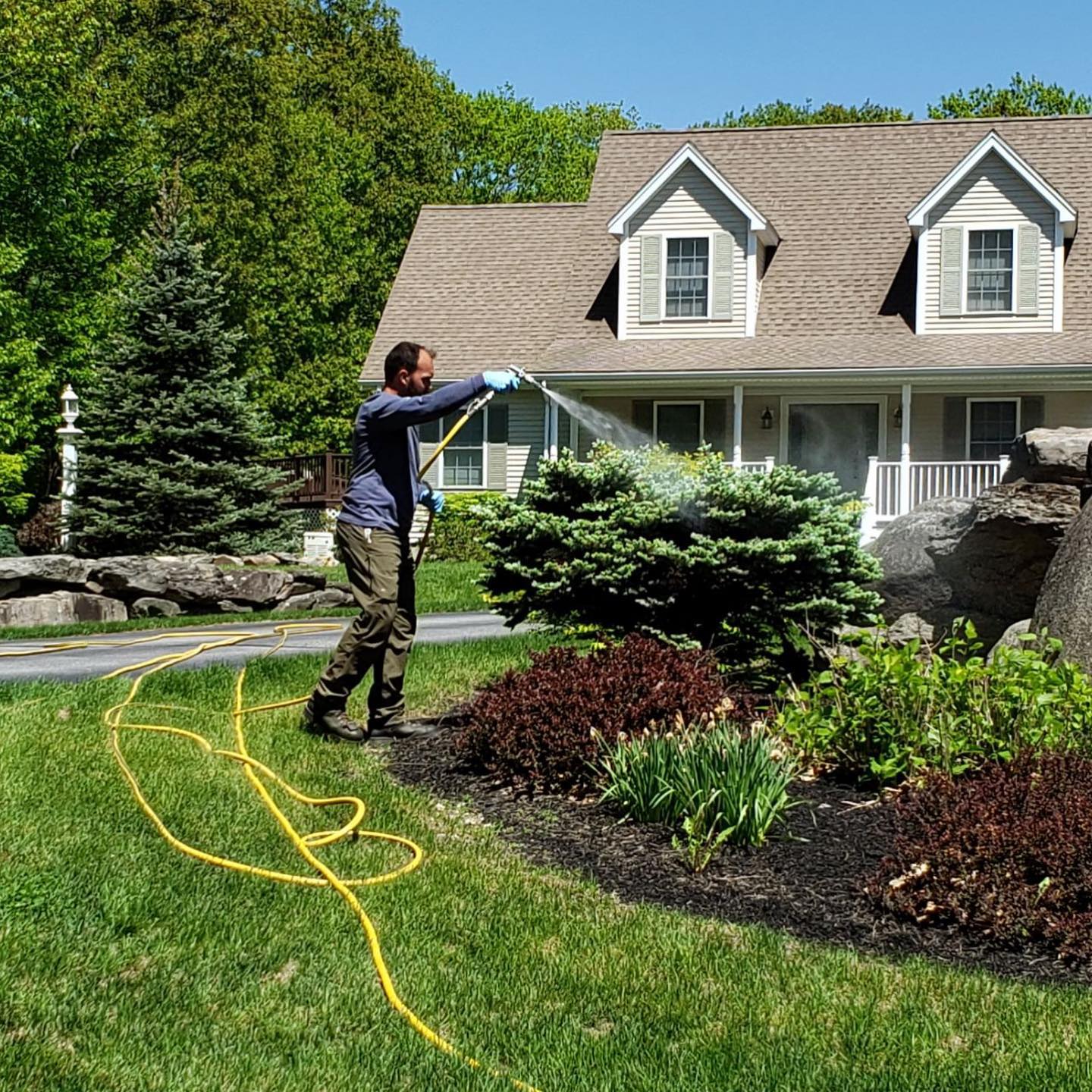
Insect and disease management is a targeted approach to protecting ornamental plants from damaging pests and plant diseases. Rather than treating every plant the same way, effective management begins by identifying the plant, determining what is causing the symptoms, and deciding whether treatment is necessary.
That distinction matters. Browning leaves, thinning foliage, spots, discoloration, dieback, or poor growth do not automatically mean a plant has an insect or disease problem. Drought stress, winter injury, poor soil conditions, planting depth, root damage, and other environmental factors can produce similar symptoms.
Northern Turf Management evaluates these factors to help determine the appropriate course of action for your landscape.
Common Insects That Can Damage Ornamental Trees & Shrubs
Maine landscapes can be affected by a variety of insects that feed on leaves, stems, bark, roots, or plant fluids. Some cause mostly cosmetic damage, while others can weaken a plant significantly when populations become severe or problems continue over multiple seasons.
Depending on the plants on your property, potential insect concerns may include:
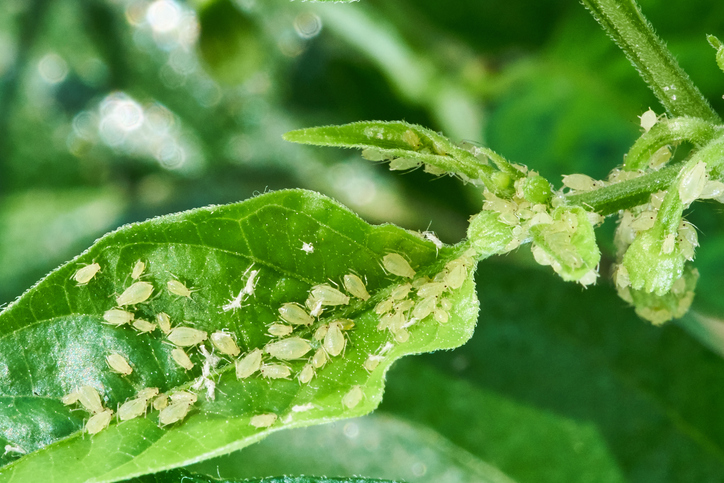
- Aphids
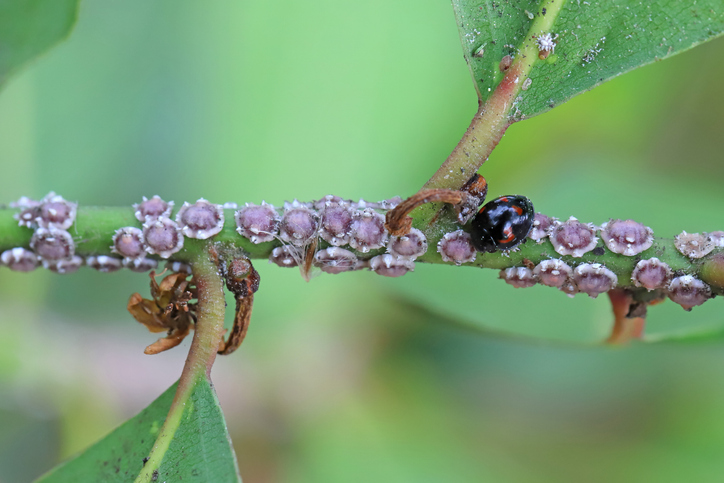
- Scale insects
- Mites
- Sawflies
- Caterpillars and other leaf-feeding insects
- Borers
- Other plant-specific ornamental pests
The signs of an insect infestation vary. Homeowners may notice curled or distorted leaves, holes or missing foliage, sticky residue, unusual bumps on stems or branches, webbing, premature leaf drop, thinning canopies, or declining branches.
Correct identification is important because insect and disease management for trees and shrubs should be based on the specific pest and its life cycle. Treatment timing can be just as important as the treatment itself.
Common Tree & Shrub Disease Problems
Ornamental plants can also develop fungal and other diseases that affect leaves, branches, stems, and overall plant health.
Symptoms may include leaf spots, unusual discoloration, powdery coatings, premature leaf loss, branch dieback, cankers, or a gradual decline in the appearance of the plant. Certain diseases are heavily influenced by weather, especially extended periods of moisture, humidity, or other environmental conditions favorable to disease development.
Not every disease requires the same response. The plant species, disease, severity of infection, time of year, and overall health of the plant all help determine whether treatment may be beneficial.
Why Timing Matters
One of the most important parts of ornamental plant healthcare is timing.
Many insects are easier to manage during specific stages of their life cycle. Similarly, some disease-management treatments are preventive and work best before visible symptoms become severe.
Waiting until a tree or shrub is heavily damaged can limit treatment options and make recovery more difficult.
A proactive approach allows us to monitor susceptible plants, identify developing concerns, and recommend treatments when they are most likely to provide a benefit.
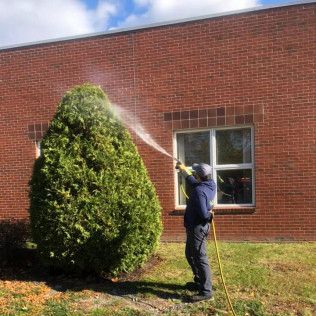
Treatment Should Start With the Right Diagnosis
Seeing something unusual on a tree or shrub does not necessarily mean it needs to be sprayed.
Successful insect and disease management for trees and shrubs starts with understanding what is happening and why. Treating the wrong problem wastes time and may do nothing to improve the plant.
Our goal is to take a plant-health-focused approach. That means considering the pest or disease along with the condition of the plant and its surrounding environment. When treatment is appropriate, applications can be targeted toward the specific issue rather than relying on a one-size-fits-all approach.
Protect Your Ornamental Landscape in Maine
Trees and shrubs are long-term investments. Keeping them healthy requires more than responding after serious damage becomes obvious.
Northern Turf Management’s insect and disease management for trees and shrubs focuses on proper identification, appropriate timing, and targeted treatment to help protect ornamental plants throughout the landscape.
If you are noticing unusual symptoms on your trees or shrubs—or want to take a more proactive approach to ornamental plant health—contact our team at 207-544-9420 to learn more about our Tree & Shrub Health Care services.
Healthy plants start with understanding what they need—and addressing problems before they become bigger ones.