Lawn Aeration & Seeding
Fall Core Aeration and Seeding for Healthier, Thicker Lawns
A healthy lawn starts below the surface. Even lawns that appear green and full can struggle with compacted soil, shallow roots, poor airflow, and thinning turf over time. That’s why fall lawn aeration and overseeding is considered one of the most beneficial lawn care services for properties throughout Northern Maine and the Greater Bangor area.
At Northern Turf Management, we focus on fall aeration and overseeding because it delivers the best long-term results for cool-season lawns common throughout Maine. The combination of cooler temperatures, reduced weed pressure, and improved soil conditions creates the ideal environment for turfgrass recovery and seed establishment.

What Is Lawn Aeration?
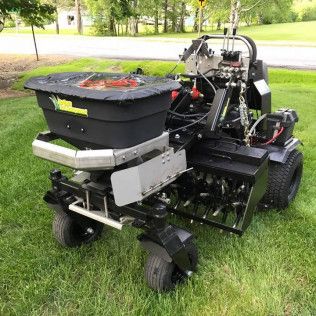
Lawn aeration is the process of removing small plugs or cores of soil from the lawn to relieve soil compaction and improve the movement of air, water, and nutrients into the root zone.
Most lawns develop compacted soil over time from:
- Foot traffic
- Pets and children playing
- Lawn equipment
- Heavy clay or dense soils
- Snowpack and seasonal freeze/thaw cycles
During aeration, small holes approximately 2.5 to 4 inches deep are created throughout the lawn. These openings allow the turf to breathe and help essential nutrients penetrate deeper into the soil profile.
In some cases, we may also utilize an Aera-Vator, which loosens and fractures the soil beneath the surface without leaving visible plugs behind.
While the process may temporarily leave cores on the lawn, this is completely normal and beneficial. Those cores naturally break down and help return organic material back into the soil.
Why Fall Is the Best Time for Aeration & Overseeding
For lawns in Bangor and across Northern Maine, fall is the ideal season for aeration and overseeding.
Cool-season grasses perform best when:
- Soil temperatures remain warm enough for germination
- Air temperatures begin cooling down
- Weed competition declines
- Moisture levels become more consistent
Spring seeding often competes with crabgrass prevention applications and early weed pressure. Young grass plants also struggle heading into summer heat and drought stress.
Fall provides a much larger opportunity for seed establishment and root development before winter dormancy.
What Is Overseeding?
Overseeding is the process of introducing new turfgrass seed into an existing lawn after aeration.
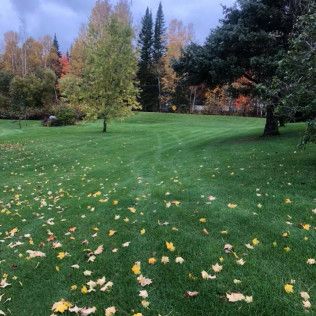
The aeration holes create excellent seed-to-soil contact, which is one of the most important factors for successful germination. Overseeding helps improve lawn density while introducing newer, more resilient grass varieties into thinning or stressed areas.
Over time, overseeding can help lawns:
- Fill in bare or thin spots
- Improve overall thickness
- Enhance color and appearance
- Increase drought tolerance
- Improve disease resistance
- Create a more uniform lawn
At Northern Turf Management, we select quality turfgrass blends designed for Maine growing conditions and seasonal stress.

How Do I Know If My Lawn Needs Aeration?
Nearly every lawn can benefit from annual aeration, especially in Northern Maine where compacted soils and environmental stress are common.
You should strongly consider aeration and overseeding if your lawn has:
- High-traffic areas that appear worn down
- Standing water or poor drainage
- Thin or patchy turf; bare spots
- Excessive thatch buildup
- Summer heat stress
- Poor fertilizer response
- Lawn disease history
- Soil that feels hard or compacted
Even lawns that currently look healthy can benefit from improved root development and soil health through annual aeration.

Benefits of Lawn Aeration & Seeding
Improved Fertilizer Effectiveness – Aeration allows nutrients to move deeper into the soil profile instead of remaining near the surface.
Better Water Absorption – Compacted soil often causes water runoff. Aeration improves infiltration and helps lawns absorb rainfall and irrigation more effectively.
Reduced Soil Compaction – Relieving compaction gives turf roots more room to expand and strengthens overall lawn health.
Increased Oxygen to the Root System – Grass roots require oxygen to thrive. Aeration improves airflow beneath the surface where roots actively grow.
Thatch Reduction – Aeration helps microorganisms break down excessive thatch naturally over time.
Improved Stress Tolerance – Lawns with deeper root systems typically perform better during summer heat, drought conditions, and environmental stress.
Thicker, Healthier Turf – Overseeding after aeration helps improve lawn density and crowd out future weed pressure naturally.
Schedule Your Fall Aeration & Overseeding Service
Whether your lawn is already in good shape or struggling with thinning turf, aeration and overseeding can dramatically improve overall lawn health and appearance.
If you are looking to build a thicker, healthier lawn in Bangor or throughout Northern Maine, Northern Turf Management can help.
Contact our team today to schedule your fall lawn aeration and overseeding service before the season fills up.