
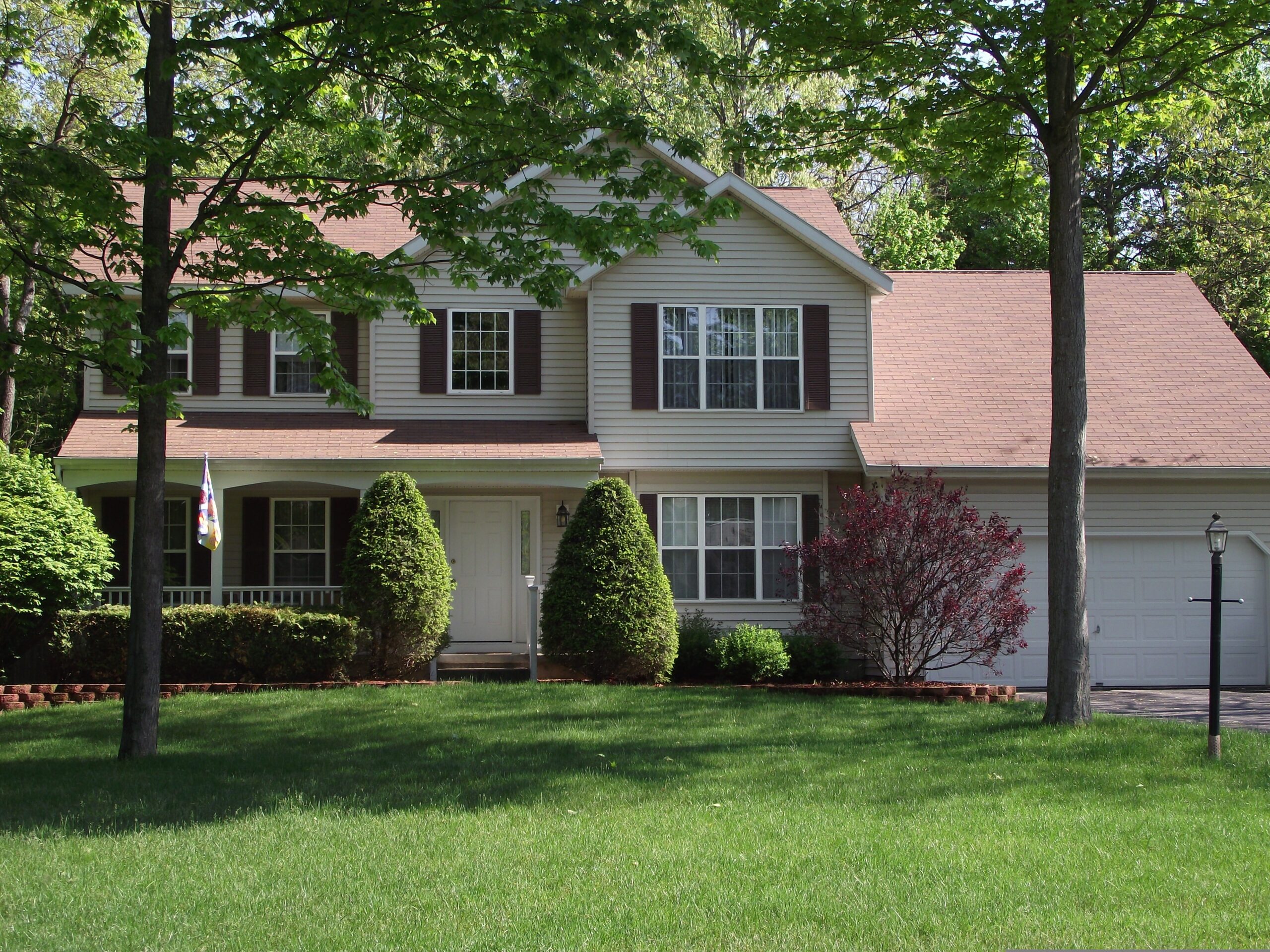
When most homeowners think about improving their lawn, they think about spring. But if you ask lawn care professionals when the best time to build a thicker, healthier lawn is, many will point to fall.
The secret is that successful fall lawn projects don’t start in September—they start now. Proper fall lawn preparation in Northern Maine begins during the summer months, when homeowners can identify problem areas and make plans before the busy fall season arrives.
If your goal is a greener, thicker lawn next year, here’s what you should be doing now.
Why Fall Is the Best Time to Improve Your Lawn
Fall provides some of the best growing conditions of the year for cool-season grasses commonly found throughout Maine.
During late summer and early fall:
- Soil temperatures remain warm
- Cooler air temperatures reduce stress
- Morning dew provides additional moisture
- Weed competition begins to decline
- Grass can focus on root development
These conditions create an ideal environment for recovery, thickening, and establishing new grass.
However, the best results happen when homeowners begin evaluating their lawns well before fall arrives.
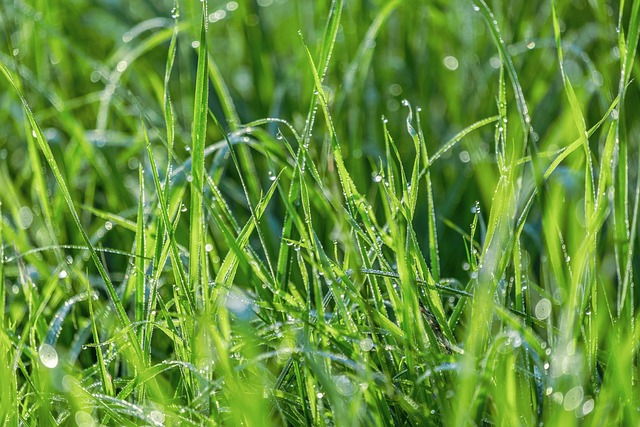
Look for Thin or Bare Areas
July is an excellent time to assess your lawn’s overall health.
As summer stress begins to appear, problem areas often become more visible. Walk your property and look for:
- Thin turf
- Bare spots
- Areas that struggle during dry weather
- Sections damaged by pets
- Heavy traffic areas
- Slopes that dry out quickly
These areas are often prime candidates for fall overseeding or renovation.
Making note of problem spots now allows you to prioritize improvements later in the season.
Pay Attention to Soil Compaction
Many lawns throughout Northern Maine suffer from soil compaction without homeowners realizing it.
Compacted soil restricts:
- Water movement
- Nutrient uptake
- Oxygen availability
- Root development
Signs of compaction include:
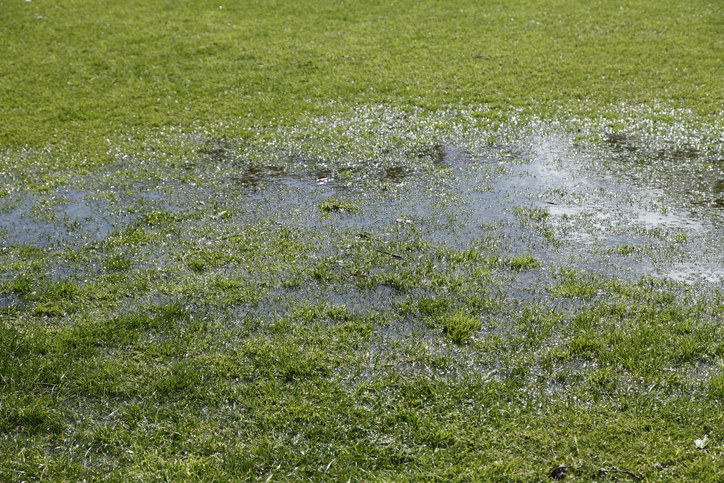
- Water pooling after rain
- Hard soil surfaces
- Thin turf growth
- Increased weed pressure
If your lawn struggles despite regular watering and fertilization, compaction may be contributing to the problem.
Fall aeration is one of the most effective ways to relieve compaction and improve overall lawn health.
Continue Proper Watering Practices
One of the biggest mistakes homeowners make is neglecting their lawn during summer because they plan to improve it in the fall.
The healthier your lawn remains through summer, the better it can respond to fall treatments.
Aim to provide approximately one inch of water per week through rainfall or irrigation.
Deep, infrequent watering encourages deeper root growth and helps turf better withstand periods of heat and drought.
Avoid watering lightly every day, as this can encourage shallow rooting and additional stress.
Watch for Insect and Disease Activity
Summer is also a good time to monitor for potential lawn problems that could impact fall success.
Keep an eye out for:
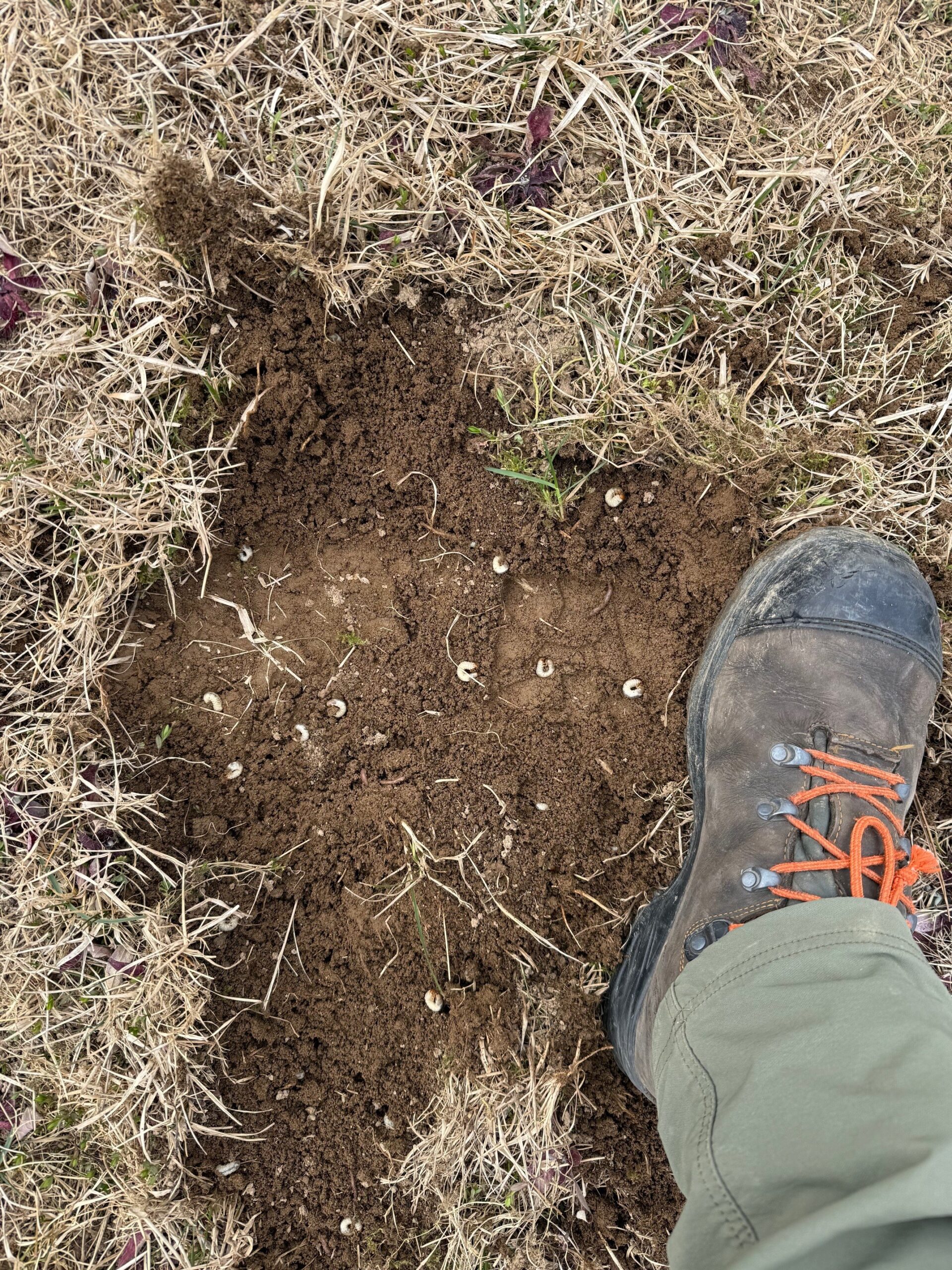
- Unusual brown patches
- Areas that pull up easily
- Increased bird activity
- Thinning turf
- Circular dead spots
These symptoms may indicate turf disease or insect activity.
Addressing these issues before fall can help ensure your lawn is in the best possible condition for aeration and overseeding.
Start Planning for Aeration and Overseeding
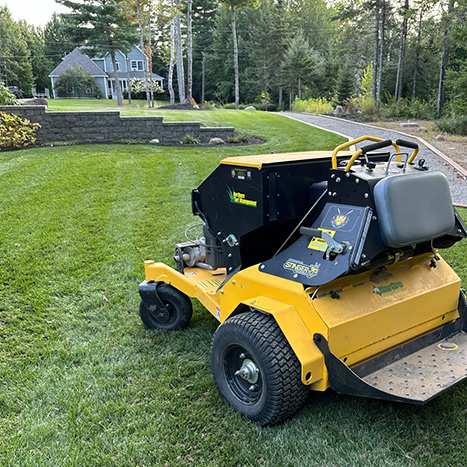
If your lawn has become thin, patchy, or stressed over time, aeration and overseeding can be one of the best investments you make.
Aeration helps by:
- Reducing soil compaction
- Improving air exchange
- Enhancing water infiltration
- Encouraging deeper root growth
Overseeding helps by:
- Thickening existing turf
- Filling in bare areas
- Improving lawn density
- Increasing the lawn’s ability to crowd out weeds
Together, these services can dramatically improve lawn appearance and long-term health.
Because fall is the busiest season for lawn renovation work, scheduling early can help ensure your lawn gets attention at the ideal time.
Don't Wait Until Fall to Think About Fall
The homeowners who achieve the best lawn improvements are often the ones who start planning weeks in advance.
By identifying problem areas, maintaining healthy summer growing conditions, and preparing for aeration and overseeding, you’ll put your lawn in a much better position for success.
Remember, effective fall lawn preparation in Northern Maine begins long before the leaves start changing color.
Contact Northern Turf Today
If your lawn is thin, stressed, or struggling to recover from summer conditions, Northern Turf can help.
Our team can evaluate your lawn and recommend the right fall services to improve density, root development, and overall health.
Call 207-544-9420 today to learn more about aeration, overseeding, and other lawn improvement services available throughout Northern Maine. For additional lawn care topics, check out our blog!