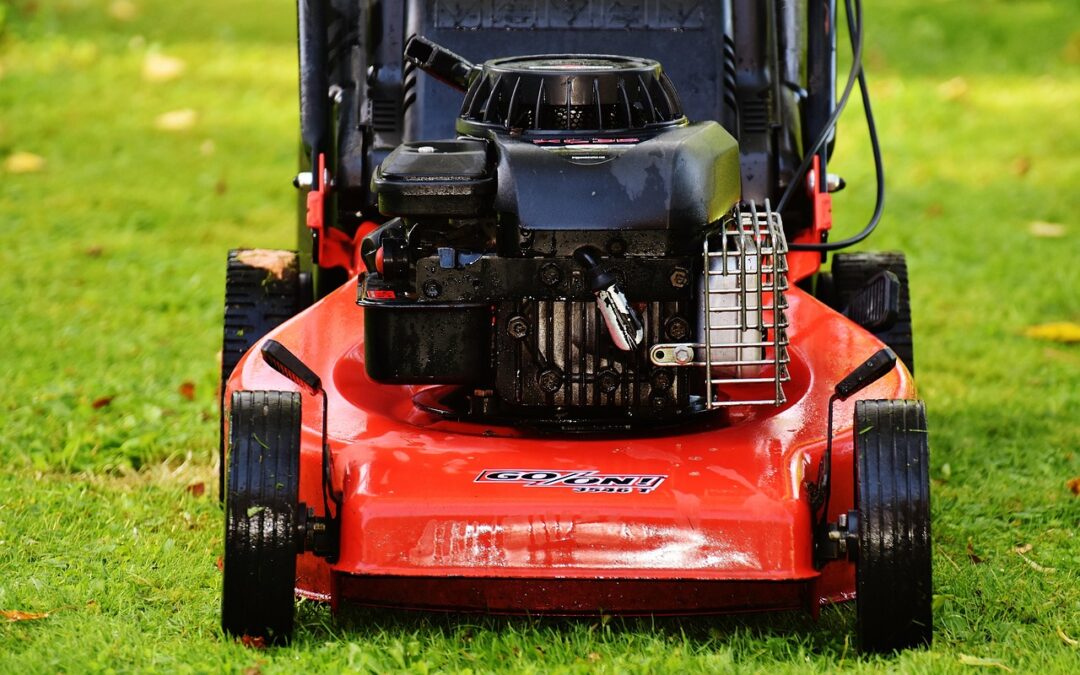
As October settles into Maine, cooler temperatures, shorter days, and falling leaves signal that the growing season is winding down. While you might be ready to put away your lawn mower, your grass may not be finished growing just yet!
Late season lawn mowing is an important part of preparing your lawn for winter. Adjusting your mowing height and continuing to mow as needed can help protect your turf from winter damage and encourage a healthier lawn when spring arrives.
At Northern Turf Management, we encourage homeowners throughout Maine to make a few simple changes to their mowing routine as temperatures drop.
Should You Continue Mowing Your Lawn in the Fall?
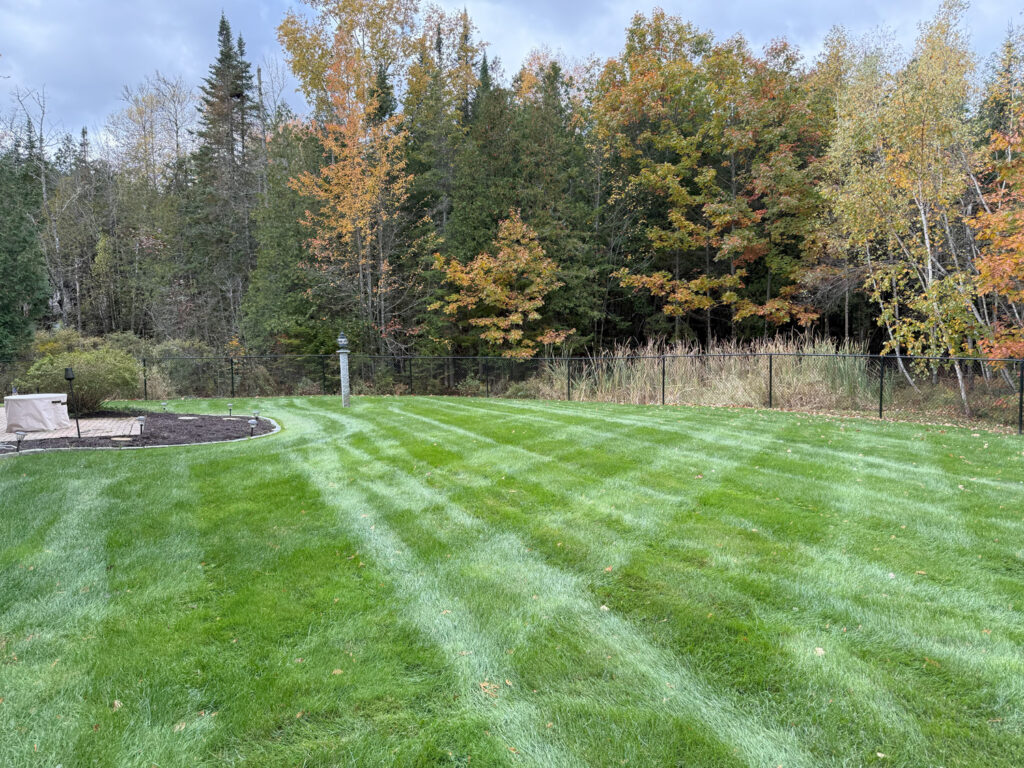
Yes! You should continue mowing your lawn in the fall as long as the grass is actively growing. Cooler temperatures naturally slow turfgrass growth, but that doesn’t mean it stops immediately.
Maine lawns primarily consist of cool-season grasses, including Kentucky bluegrass, perennial ryegrass, and fine fescues. These grasses thrive in cooler conditions and can continue growing well into autumn, depending on weather and soil temperatures.
In fact, fall provides favorable growing conditions for many of these grass varieties. While growth slows as winter approaches, maintaining a consistent mowing schedule helps keep your lawn healthy.
Rather than following a specific calendar date, pay attention to how quickly your grass grows. You may find yourself mowing less frequently, but don’t stop simply because October has arrived.
Adjust Your Mower Height for Late Season Lawn Mowing
Throughout the summer, we generally recommend maintaining a higher mowing height to help grass tolerate heat, drought, and other environmental stresses.
However, as temperatures cool, it’s time to make a slight adjustment.
If you’ve been mowing your lawn at 3¾ inches throughout the growing season, now is a good time to lower your mower blade by ¼ to ½ inch.
That means adjusting your cutting height to approximately 3¼ to 3½ inches for your remaining fall mowings.
This small change offers several benefits:
- Reduces excessive leaf growth: Slightly shorter grass is less likely to bend over and become matted beneath heavy snow.
- Improves air circulation: Maintaining an appropriate grass height can help reduce conditions favorable to certain fungal diseases.
- Makes leaf management easier: A slightly shorter lawn allows your mower to mulch fallen leaves more effectively.
- Prepares turf for winter: A gradual reduction in mowing height helps maintain a manageable lawn canopy heading into dormancy.
The key is making gradual adjustments rather than dramatically shortening your lawn in one mowing.
Why You Shouldn’t Cut Your Lawn Too Short Before Winter
While lowering your mower blade slightly is beneficial, cutting your grass extremely short can do more harm than good.
Scalping removes too much leaf tissue at once, reducing the grass plant’s ability to photosynthesize and store energy.
During fall, cool-season grasses continue building carbohydrate reserves that help support winter survival and spring green-up.
Removing excessive leaf tissue can interfere with this important process.
Follow the one-third rule: Never remove more than one-third of the grass blade during a single mowing. If your lawn has grown unusually tall, gradually reduce its height over multiple mowings.
Remember, the goal isn’t to create a golf-course appearance. It’s to maintain a healthy, manageable lawn heading into winter.
Don’t Forget About Falling Leaves
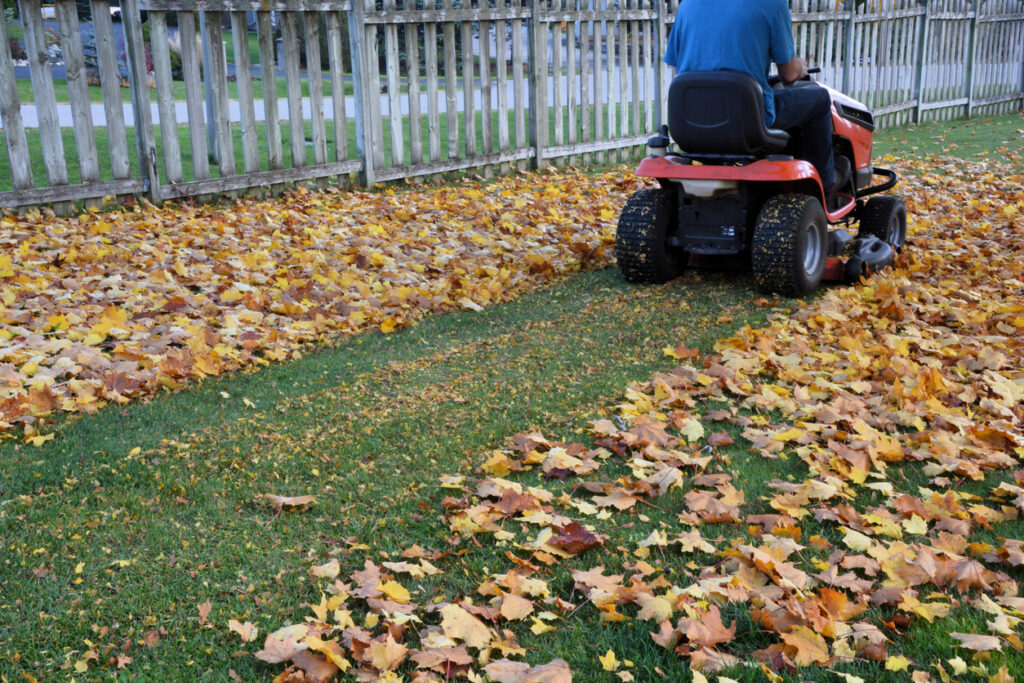
Late season lawn mowing also provides an excellent opportunity to manage falling leaves.
Rather than allowing leaves to accumulate in thick layers, consider using a mulching mower to chop them into smaller pieces.
When finely shredded and evenly distributed, leaves can break down naturally, returning organic matter and nutrients to the soil.
However, excessive leaf coverage can block sunlight, trap moisture, and smother the grass beneath.
For best results:
- Mow and mulch leaves regularly before they accumulate.
- Make additional passes if needed to break down larger leaf pieces.
- Remove heavy piles that cannot be adequately mulched.
- Avoid mowing when the lawn is excessively wet or frozen.
A little extra attention now can help prevent unnecessary lawn damage over winter.
When Should You Stop Mowing Your Lawn in Maine?
There’s no universal date for the final mowing of the season.
In northern Maine, where the growing season is shorter and temperatures drop earlier, lawns typically enter dormancy sooner than those in the Bangor and Hampden areas.
Weather conditions ultimately determine when your grass stops growing.
Your final mowing should occur when grass growth has essentially stopped for the season, provided the lawn is dry enough to mow without causing damage.
If you’re still seeing noticeable growth, continue mowing as needed. Avoid mowing frozen turf or saturated soil, which can damage grass plants and compact the ground.
Prepare Your Maine Lawn for a Healthier Spring
A healthy lawn doesn’t happen by accident. The steps you take during fall can make a meaningful difference in how your turf handles winter and recovers next spring.
Along with proper late season lawn mowing, professional fertilization, weed control, and soil management can help support stronger roots and healthier turf.
At Northern Turf Management, we understand the unique challenges of maintaining lawns throughout Maine, from the Bangor region to northern Maine. Our customized lawn care programs help homeowners build healthier, more resilient lawns season after season.
Don’t put your lawn care plans away with your mower! Contact Northern Turf Management today at 207-544-9420 to learn how our professional lawn care services can help your lawn thrive.