
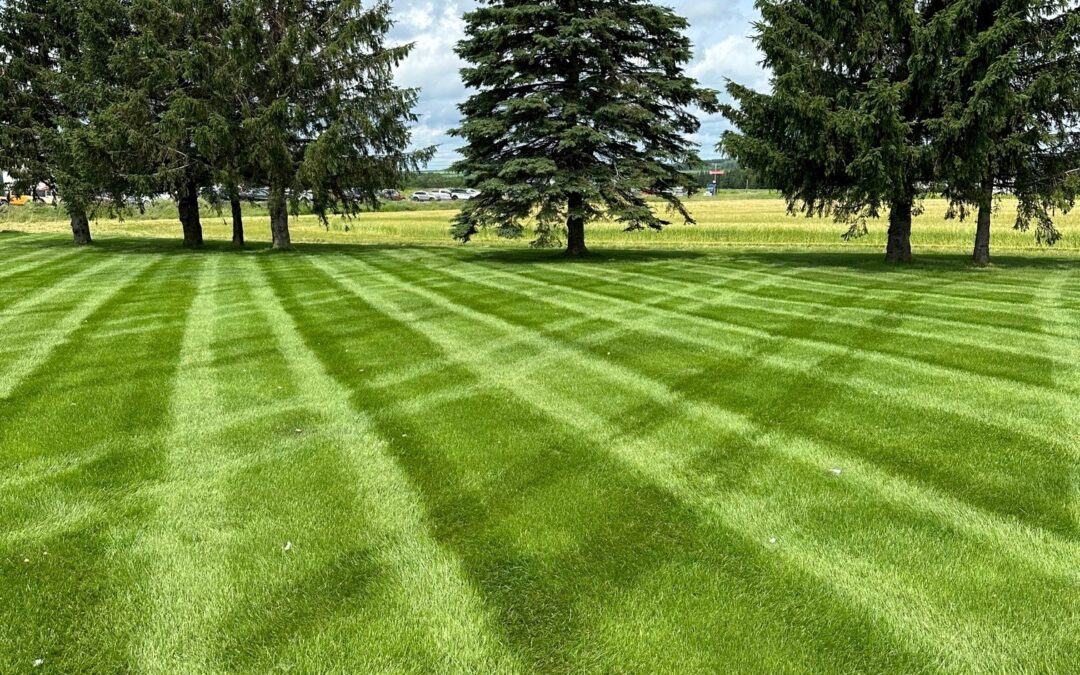
A lawn can receive fertilizer, weed control, water, and regular mowing and still struggle to reach its full potential. Sometimes, the problem isn’t what’s happening above the soil—it’s what’s happening underneath it. One of the most useful ways to better understand your soil is through lawn pH testing in Maine.
Soil pH measures how acidic or alkaline your soil is. While it may sound like a small detail, pH can have a significant impact on how well your grass uses nutrients, how active beneficial soil microorganisms are, and even how quickly thatch accumulates. Testing gives us valuable information about the growing environment beneath your lawn and, when necessary, helps determine whether a corrective lime application could improve it.
What Is Lawn pH?

Soil pH is measured on a scale from 0 to 14, with 7 considered neutral. Numbers below 7 indicate acidic soil, while numbers above 7 indicate alkaline soil.
Most cool-season turfgrasses perform best in soil that is slightly acidic, generally around a pH of 6.0 to 7.0. When soil falls too far outside that range, important nutrients may become less available to the grass—even when those nutrients are physically present in the soil.
This is why lawn pH testing in Maine can be such an important diagnostic tool. Rather than guessing about what a lawn needs, testing provides measurable information that can guide the next step.
What Can Your Lawn’s pH Tell You?
Think of soil pH as one piece of your lawn’s overall health report. An improper pH can help explain why a lawn isn’t responding as expected to fertilizer or why turf remains thin and stressed despite regular care.
When soil becomes too acidic, grass may have difficulty accessing nutrients such as nitrogen, phosphorus, and potassium efficiently. At the same time, certain elements can become more available than they should be, creating an unfavorable environment for healthy turf growth.
The result may be weaker grass, reduced color, thinning areas, or a lawn that simply doesn’t respond to a professional fertility program as well as it should.
However, appearance alone can’t tell you your soil’s pH. Similar symptoms can be caused by drought, insects, disease, compaction, nutrient deficiencies, or other problems.
Testing is the only reliable way to know where your soil pH actually stands.
Acidic Soil Can Also Contribute to Thatch Buildup
Soil pH doesn’t just affect the grass itself. It can also influence the microorganisms living in the soil.
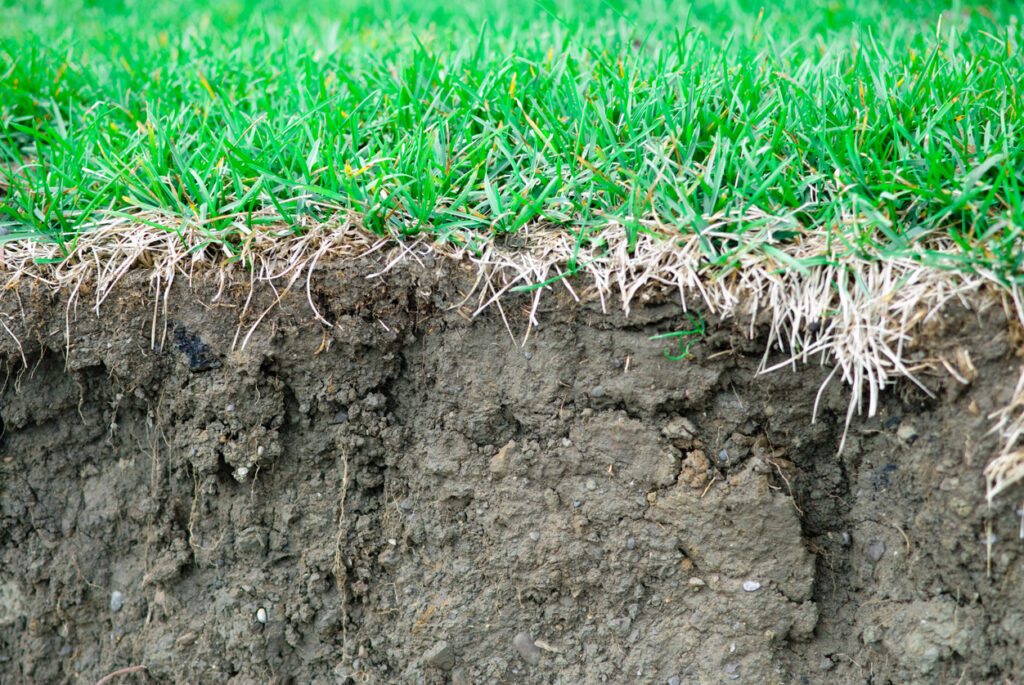
Healthy populations of soil microorganisms help break down dead and living plant material that accumulates between the green turf and the soil surface. When soil becomes highly acidic—particularly around pH 5.5 or below—the activity of some of these beneficial decomposing organisms can decline. When organic material is being produced faster than it can be broken down, thatch can accumulate more rapidly.
Soil conditions can compound the problem. Compacted soils, poor soil structure, and soils with limited microbial activity may all be more prone to excessive thatch accumulation.
A small amount of thatch is normal and can even benefit a lawn. Too much, however, can interfere with the movement of water, nutrients, and air into the soil and can create a less favorable growing environment for turf roots.
This is another reason pH testing can tell us more than whether a lawn needs lime. It can help identify underlying soil conditions that may be contributing to problems homeowners are seeing at the surface.
Why Can Maine Lawns Become Acidic?
Acidic soil is common throughout many parts of the Northeast. Natural soil composition, rainfall, organic matter, and other environmental factors can all influence pH over time.
That’s especially important for Maine lawns. Our growing season is already relatively short, particularly in Northern Maine. Grass has a limited window to grow, recover from stress, and develop a strong root system before winter arrives. Providing the right soil environment helps turf make better use of that growing season.
Regular lawn pH testing in Maine can identify when soil conditions have shifted and whether intervention is warranted.
How Does Corrective Lime Help?
When testing shows that soil is too acidic, a corrective lime application may be recommended.
Lime is used to gradually raise soil pH toward a range that is more favorable for turfgrass.
The goal isn’t simply to “add lime” to every lawn. It’s to apply it when testing indicates the soil would benefit from an adjustment.
Correcting an overly acidic pH can help create an environment where grass is better able to access available nutrients while also supporting the biological activity that contributes to healthy soil and decomposition of organic material.
It’s also important to understand that lime isn’t an instant fix. Changing soil chemistry takes time, and the appropriate amount depends on existing soil conditions. That’s another reason testing first is so valuable.
Does Every Lawn Need Lime?
No. This is one of the biggest misconceptions about lime applications. Lime can be extremely beneficial when a lawn’s soil is too acidic, but applying lime without knowing the existing pH isn’t necessarily helpful. If the soil is already within an appropriate range, additional lime may push the pH too high.
A better approach is simple: test first, correct second.
By combining pH testing with a professional lawn care program, treatments can be based on what your lawn and soil actually need rather than a one-size-fits-all approach.
Build a Better Lawn From the Soil Up
A healthy lawn starts with more than what you can see on the surface. Understanding your soil gives you a better picture of why your lawn looks and performs the way it does.
Northern Turf can help evaluate your lawn’s soil conditions and determine whether a corrective lime application should be part of your lawn care plan. With lawn pH testing in Maine, we can take some of the guesswork out of lawn care and focus on creating better growing conditions from the ground up.
Ready to learn what your soil is telling you? Contact Northern Turf Management today to ask about lawn pH testing and corrective lime applications and give your lawn a stronger foundation for healthy growth.