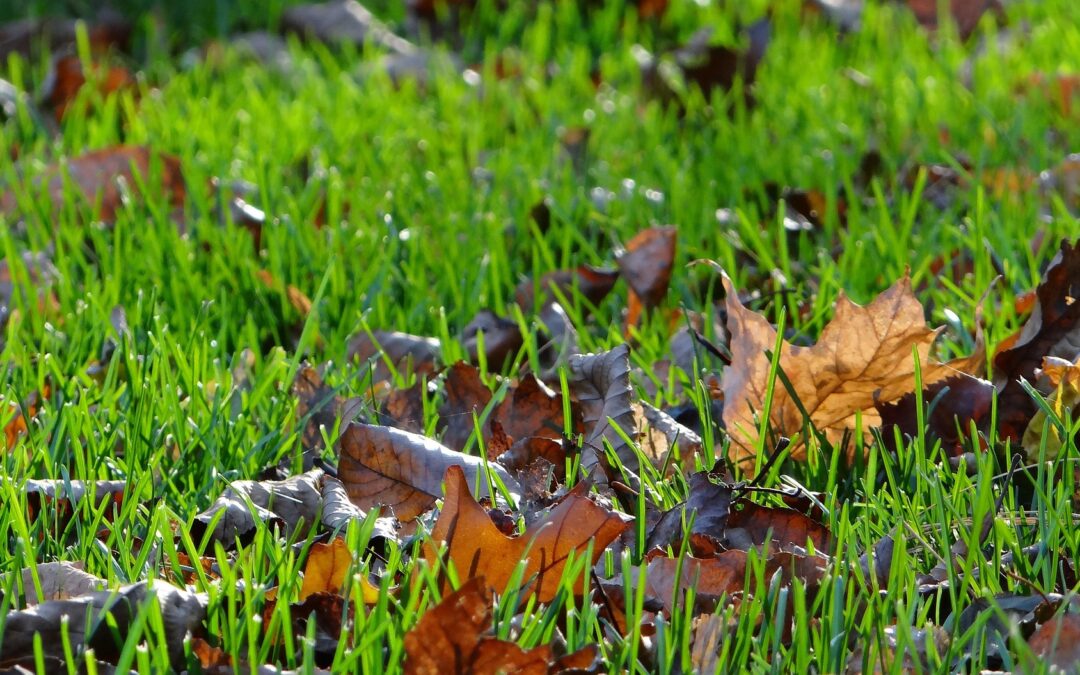
Fall may feel like the end of the lawn care season, but for cool-season turf, it is actually one of the most important times of the year. Fall lawn fertilization and weed control can help strengthen your grass, reduce unwanted weeds, and give your lawn a better foundation heading into a long Northern Maine winter.
Here in Northern Maine, however, fall lawn care comes with an added consideration: our growing season is short. Cooler temperatures arrive earlier than they do in many other parts of the country, which means lawns have a more limited window to recover from summer and prepare for winter dormancy.
That makes proper timing—and giving your lawn what it needs while it is still actively growing—especially important.
Why Is Fall Fertilization Important for Your Lawn?
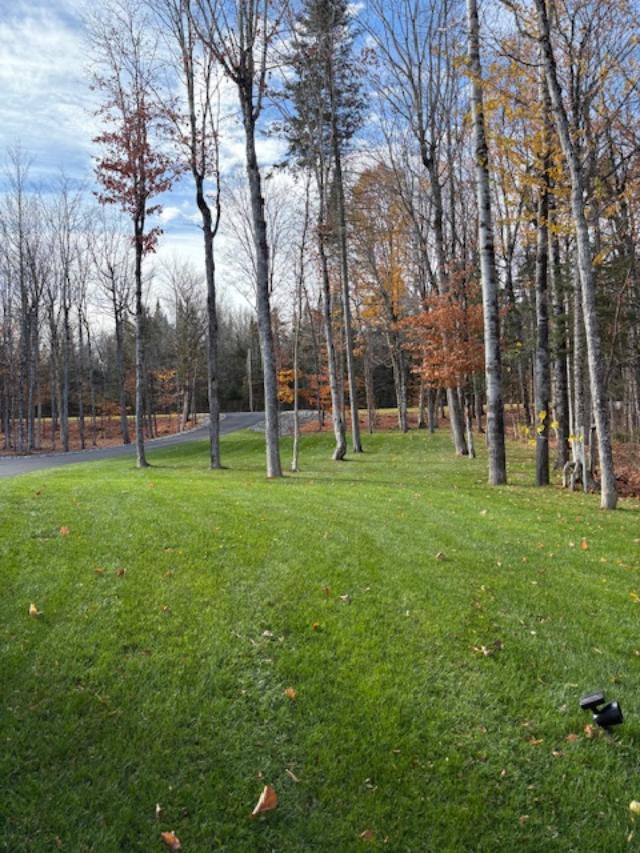
After making it through summer heat, periods of drought, foot traffic, insects, and other stresses, your lawn can use some help recovering. Fall fertilization supplies nutrients that support turf health during this important transition period.
While you may notice some improvement in color and growth above ground, one of the biggest benefits is happening where you can’t see it: in the root system.
Proper fall fertilization helps cool-season grasses develop stronger roots and store nutrients before winter. Those reserves can help turf withstand winter stress and support healthier growth when temperatures warm again in the spring.
A well-timed fall fertilizer application can help:
- Encourage stronger root development
- Improve turf density and overall lawn health
- Support recovery from summer stress
- Build carbohydrate and nutrient reserves
- Improve spring green-up and recovery
The goal isn’t simply to make the lawn grow faster before winter. It’s to help the plant prepare for the months ahead.
Why Fall Is Also a Great Time to Control Weeds
Fall isn’t just an important time for grass. Many perennial broadleaf weeds are also preparing for winter.
Weeds such as dandelions and clover continue moving energy into their root systems as temperatures cool. This natural process can make fall an effective opportunity for targeted weed control because actively growing weeds can absorb the treatment and move it throughout the plant.
Addressing weeds in the fall can reduce established weed populations and help prevent them from competing with your turf for space, water, and nutrients.
Combining fall lawn fertilization and weed control allows us to focus on both sides of the equation: strengthening the desirable turf while reducing competition from unwanted plants.
Northern Maine’s Short Growing Season Changes the
Timeline Fall lawn advice found online can sometimes be misleading because recommendations that work in warmer parts of the country don’t necessarily fit Northern Maine.
Our turf-growing season winds down earlier. As soil and air temperatures drop, grass growth slows and eventually stops. Weed activity slows as well. That means waiting too long to address fall lawn needs can reduce the amount of time the turf and weeds are actively responding to treatments.
At Northern Turf Management, we understand the seasonal differences between our service areas and adjust our approach accordingly. Rather than relying on a date on the calendar, lawn care decisions should account for local conditions, weather patterns, turf growth, and the needs of the individual property.
In Northern Maine, making the most of that shorter fall window is an important part of a successful lawn care program.
Does Fall Lawn Care Really Affect Next Year’s Lawn?
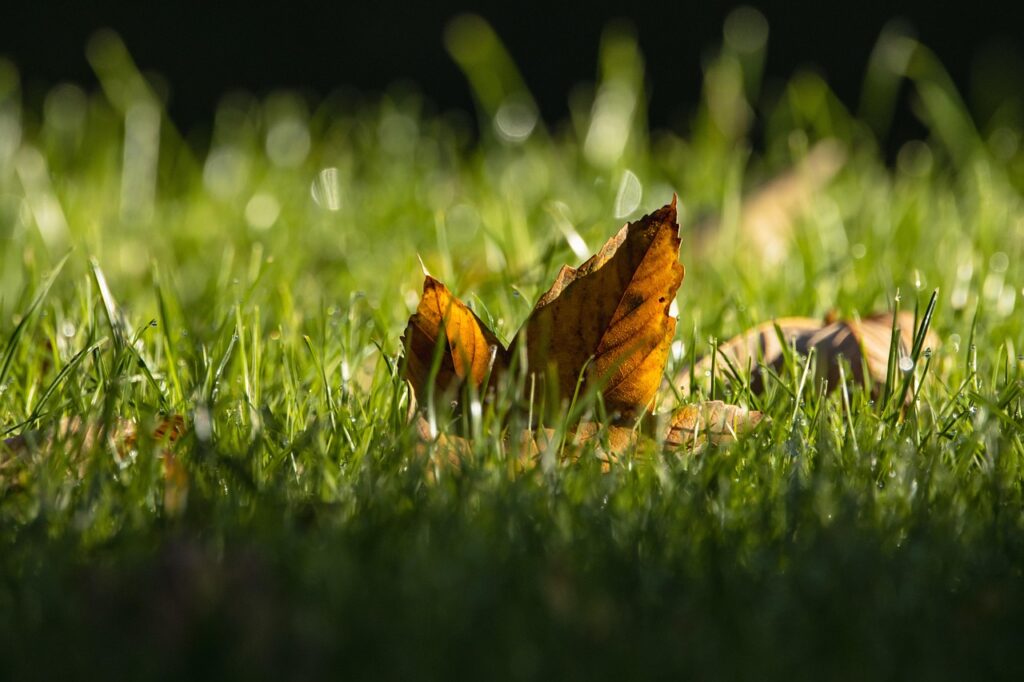
Absolutely. Think of fall lawn care as an investment in both your current lawn and next year’s growing season.
A lawn that enters winter with stronger roots and better overall health is better positioned to emerge from dormancy and begin growing again in spring. Reducing perennial weeds in the fall can also mean less competition when your grass starts actively growing again.
Of course, fall lawn fertilization and weed control are not standalone solutions. The best results come when they’re part of a year-round lawn health program that considers fertilization, weed pressure, soil conditions, mowing, watering, insects, disease, and other factors.
Don’t Let Northern Maine’s Fall Window Pass You By
The days may be getting shorter, but your lawn care season isn’t necessarily finished. Fall is an important opportunity to strengthen your turf, manage weeds, and prepare your property for the challenging Northern Maine winter ahead.
Northern Turf Management understands our region’s unique growing conditions and can help determine the right fall treatments and timing for your lawn.
Ready to give your lawn a stronger finish to the growing season? Call Northern Turf Management at 207-544-9420 to learn more about fall fertilization, weed control, and a lawn care program designed for your property.