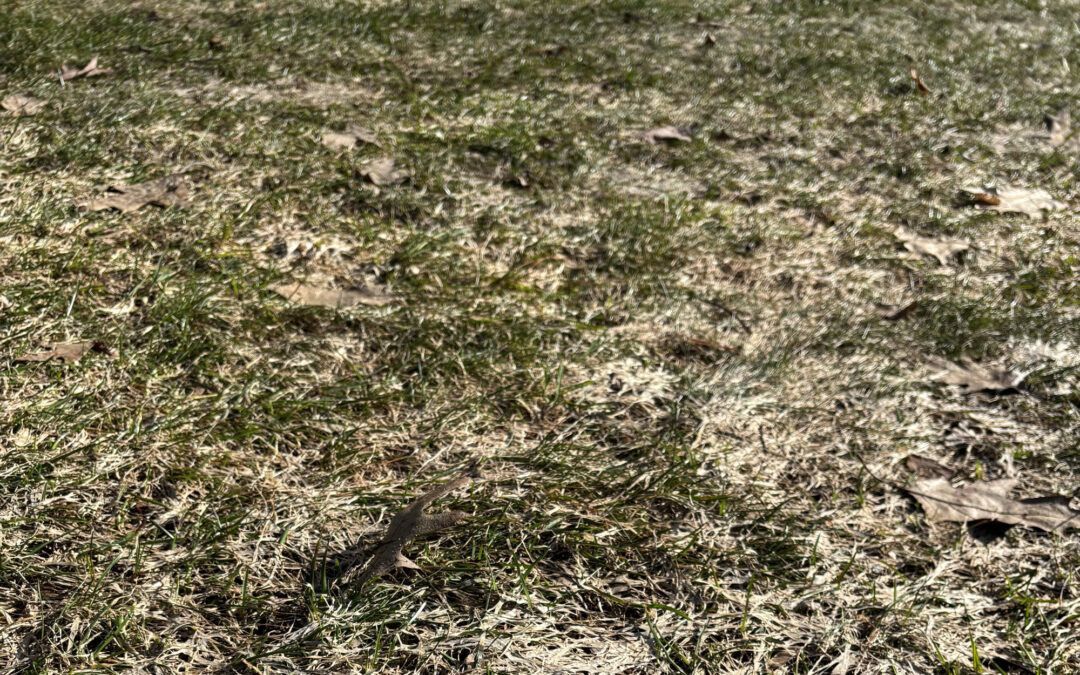
As the snow finally melts across Northern Maine and the Greater Bangor area, many homeowners step outside expecting to see signs of spring—only to find their lawn looking patchy, uneven, and in some cases… a little concerning.
If your lawn looks blotchy right now, you’re not alone—and in most cases, it’s completely normal.
Let’s break down why your lawn looks patchy after snow melt, what it actually means for your turf, and when (or if) you should take action.
The #1 Reason: Uneven Snow Melt = Uneven Lawn Wake-Up
The biggest factor behind a patchy-looking lawn in early spring is simple:
Your lawn is waking up at different speeds.
Areas where snow melted first—like spots near driveways, sidewalks, or sunny exposures—begin greening up sooner. Meanwhile, shaded areas or spots with lingering snow stay dormant longer.
This creates a “patchwork” effect across your lawn.
What it means:
Nothing is wrong. Your lawn is just transitioning out of dormancy at different rates.
Compacted or Waterlogged Soil
After a long winter, your soil is often saturated from snow melt. In Northern Maine especially, this can lead to:
- Poor oxygen flow to roots
- Slower turf growth
- Temporary thinning or discoloration
Heavier foot traffic from winter (kids, pets, plowing) can also compact soil, making certain areas look weaker.
What it means:
Your lawn may need time—and eventually aeration—to fully recover.
Snow Mold (Gray or Pink Patches)
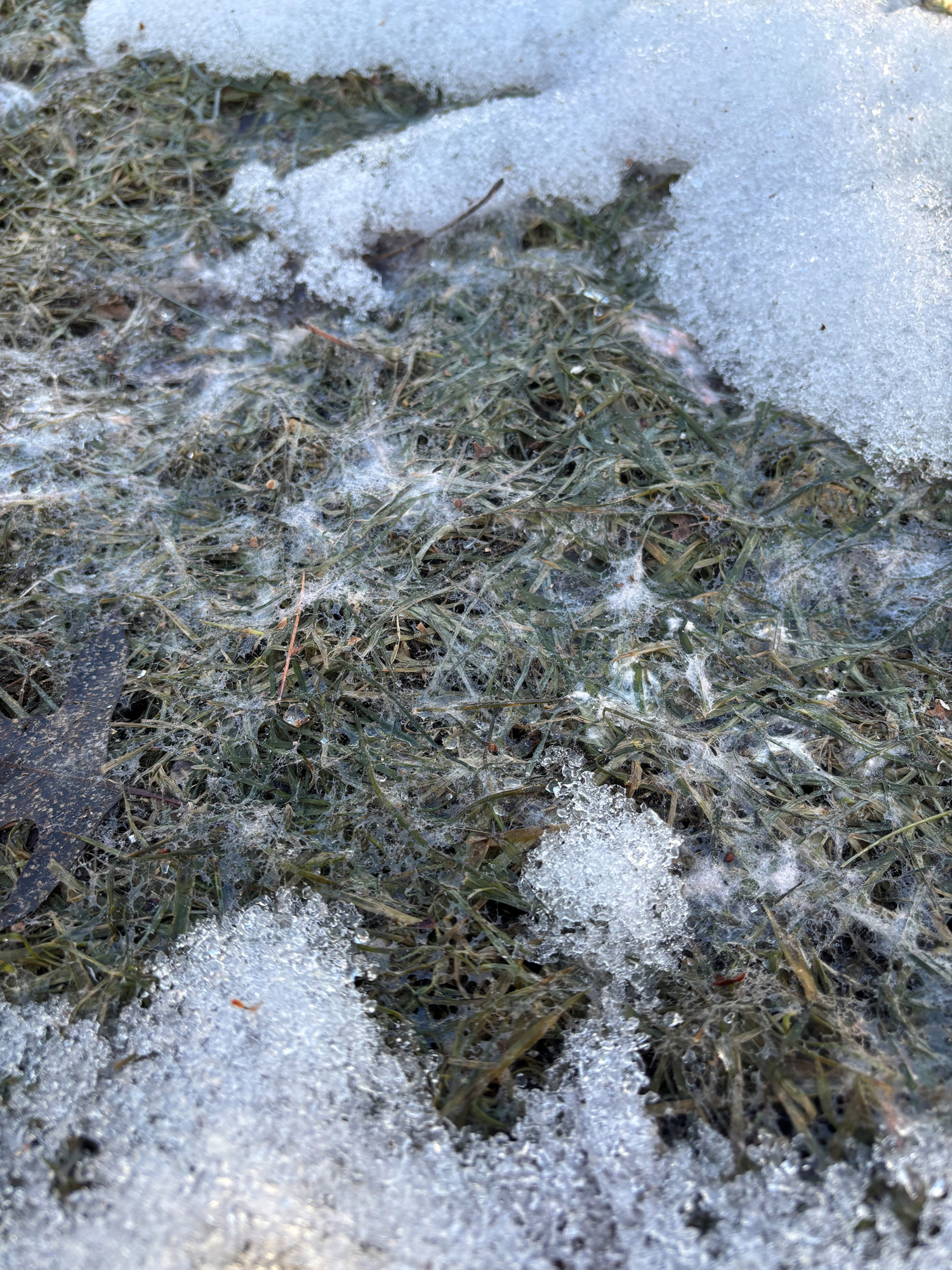
One of the most common early spring lawn issues in our region is snow mold.
You might notice:
- Matted, flattened grass
- Gray (pictured) or pinkish circular patches
- Areas that look “crusty” or tangled
This disease develops under prolonged snow cover, especially when snow falls on unfrozen ground.
What it means:
It looks worse than it is. Most lawns recover naturally with sunlight, airflow, and proper early-season care.
Salt & Snow Removal Damage
If your lawn borders a driveway or walkway, you may see:
- Yellowing or browning edges
- Thinner turf along pavement
- Delayed green-up
This is often caused by salt runoff and snow piling during winter.
What it means:
These areas may need a little extra attention this season, but they’re usually very repairable.
Turf Still in Dormancy
Here’s something many homeowners don’t realize:
Your lawn isn’t fully “awake” yet—even if parts of it look green.
Grass begins to break dormancy when soil temperatures consistently reach around 50–55°F. Until then, growth will be slow and uneven.
What it means:
Patience is key. Your lawn will fill in as temperatures stabilize.
When Patchy Lawn IS a Problem
While most patchiness is normal, here are a few signs that may require attention:
- Large bare areas that don’t improve after a few weeks
- Persistent thinning in the same spots year after year
- Heavy thatch buildup or spongy turf
- Signs of insect activity later in spring
If you’re seeing these, it may indicate underlying issues like soil health imbalance, compaction, or pest pressure.
What Homeowners Can Do Right Now
Early spring isn’t about aggressive fixes—it’s about setting the stage for success.
Here’s what you can do:
- Avoid heavy traffic on soft, saturated lawns
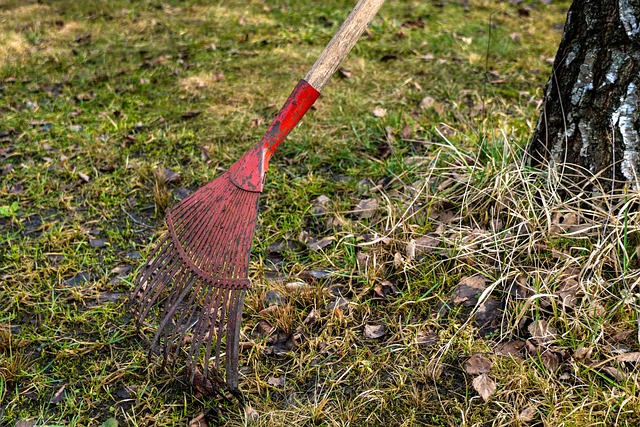
- Lightly rake matted areas to improve airflow (especially snow mold spots)
- Hold off on mowing until the lawn is actively growing
- Be patient with green-up timing—especially in Northern Maine
Most importantly, avoid the urge to over-correct too early. Timing matters more than action in early spring.
How Northern Turf Helps Your Lawn Recover Faster
This is exactly where a professional lawn care program makes a difference.
At Northern Turf Management, our early-season treatments are designed to:
- Kickstart healthy, even green-up
- Deliver balanced nutrients right when your lawn needs them
- Strengthen root systems after winter stress
- Prevent early weed pressure before it begins
We tailor our programs specifically for Northern Maine’s shorter growing season, ensuring your lawn gets the right care at the right time.
The Bottom Line
A patchy lawn after snow melt might not look great—but in most cases, it’s a normal part of the process.
Your lawn has been under snow for months. It just needs time, proper conditions, and the right care to bounce back.
And before you know it, those patchy areas will begin to fill in—leading to a fuller, healthier lawn as spring progresses.
Ready to Get Your Lawn Back on Track?
If your lawn is looking uneven this spring—or you simply want to ensure it comes in strong—Northern Turf Management is here to help.
Call us today at (207) 544-9420 or request a quote online to get started with a customized lawn care program designed for Northern Maine conditions.
Let’s make this your lawn’s best season yet.