
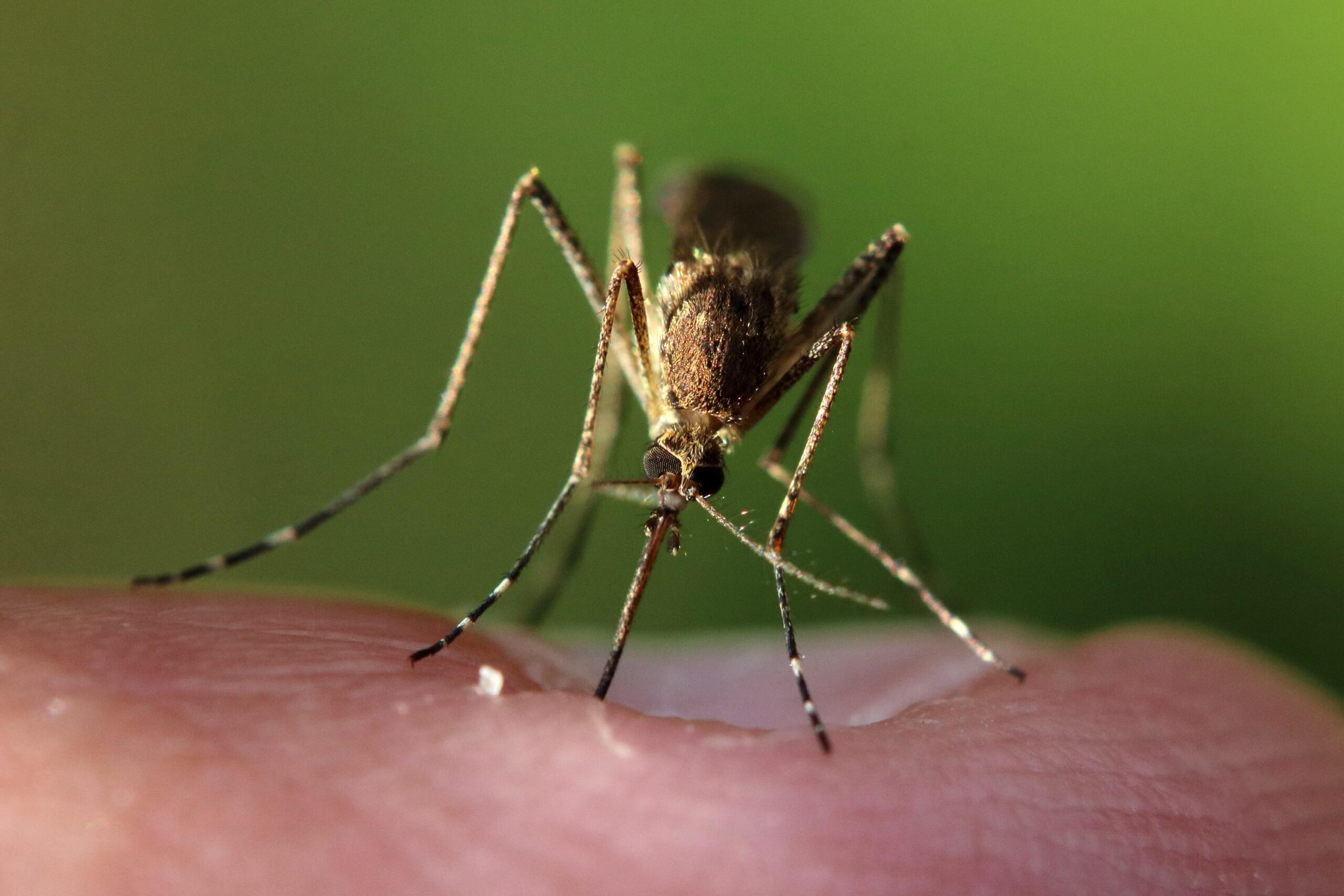
If it feels like mosquitoes are more aggressive after a wet spring in Maine, you’re not imagining it. Rainy weather creates ideal breeding conditions for mosquitoes, often leading to larger populations and more biting activity as temperatures warm. That’s one reason why mosquito control in Maine becomes especially important following seasons with above-average rainfall.
For homeowners across Bangor, Presque Isle, and Northern Maine, understanding the connection between spring rainfall and mosquito activity can help explain why some years seem significantly worse than others. Knowing what drives mosquito populations—and what can be done to reduce them—can help you enjoy your outdoor spaces with fewer bites throughout the summer.
Do Rainy Springs Really Cause More Mosquitoes?
 Yes. Mosquitoes rely on standing water to complete their life cycle.
Female mosquitoes lay their eggs in or near water, and those eggs hatch into larvae that live underwater until they develop into flying adults. When Maine experiences above-average rainfall during the spring months, it creates countless temporary breeding sites, including:
- Low spots in lawns
- Ditches and drainage areas
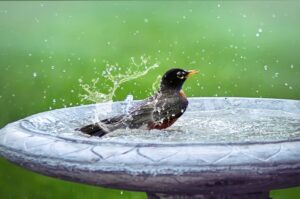
- Birdbaths
- Children’s toys
- Buckets and containers
- Wheelbarrows
- Clogged gutters
- Tarps and outdoor furniture covers
- Woodland puddles
Many mosquito species can complete their development from egg to adult in as little as 7 to 14 days when temperatures are favorable. As a result, several weeks of rainy weather can quickly lead to a noticeable increase in mosquito populations.
Why Maine’s Environment Makes the Problem Worse
Maine’s climate naturally supports mosquito activity – making mosquito control that much more difficult. Between abundant forests, wetlands, ponds, streams, and seasonal rainfall, mosquitoes have no shortage of habitat.
Spring often arrives gradually. Snowmelt combines with spring rains to create additional standing water throughout the landscape. As temperatures climb into the 60s and 70s, mosquito development accelerates.
Areas near:
- Wooded property lines
- Wetland edges
- Seasonal streams
- Poorly drained lawns
- Dense vegetation
often experience the highest mosquito pressure.
Even if your property appears dry, mosquitoes can travel from neighboring breeding areas in search of blood meals.
Why Mosquitoes Don’t Immediately Disappear After Rain Stops
 Many homeowners assume mosquito activity will decrease once the rain ends. Unfortunately, the opposite is often true.
The standing water left behind by spring storms serves as a nursery for developing mosquitoes. Once warmer temperatures arrive, those larvae rapidly mature into adults.
This means mosquito populations frequently peak several weeks after extended rainy periods rather than during the rain itself.
A rainy May can easily contribute to increased mosquito activity throughout June and July.
Beyond the Annoyance: Why Mosquitoes Matter
Most people think of mosquitoes as simply a nuisance pest, but they can impact how you use your property.
Heavy mosquito activity can make it difficult to:
- Enjoy patios and decks
- Host outdoor gatherings
- Work in gardens
- Play with children outdoors
- Walk pets comfortably
Mosquitoes can also carry diseases that affect humans and animals. While the overall risk remains relatively low in Maine compared to some parts of the country, mosquito surveillance programs continue to monitor for diseases such as:
- West Nile Virus
- Eastern Equine Encephalitis (EEE)
Reducing mosquito populations around your property helps improve both comfort and peace of mind.
What Homeowners Can Do to Reduce Mosquito Breeding
 While it’s impossible to eliminate every mosquito, reducing breeding sites can significantly lower activity around your home.
Eliminate Standing Water
Empty and refresh water sources regularly, including:
- Birdbaths
- Pet bowls
- Plant saucers
- Kiddie pools
- Buckets and containers
Clean Gutters – Clogged gutters frequently hold water for days after rainfall, creating ideal mosquito habitat.
Improve Drainage – Address areas where water consistently pools after storms. Improving drainage can reduce breeding opportunities throughout the season.
Trim Dense Vegetation – Adult mosquitoes often rest in shaded, humid areas during the day. Pruning shrubs and reducing overgrown vegetation can make your yard less attractive to them.
Protect Yourself During Peak Activity
Mosquitoes are generally most active during:
- Early morning
- Evening hours
- Humid, overcast days
Using EPA-approved repellents and wearing protective clothing can help reduce bites during high-pressure periods.
Professional Mosquito Control in Maine
When mosquito populations explode following a rainy spring, property-wide treatments can help reduce adult mosquito activity where families spend time outdoors.
Professional mosquito control focuses on vegetation, shaded resting areas, and other locations where adult mosquitoes commonly shelter between feedings.
The goal isn’t necessarily to eliminate every mosquito—an impossible task in Maine’s environment—but to significantly reduce populations around your home and improve outdoor enjoyment throughout the season.
The Bottom Line
Rainy springs and mosquito outbreaks often go hand in hand. Excess rainfall creates ideal breeding conditions, while warming temperatures accelerate mosquito development. By the time summer arrives, homeowners may find themselves dealing with far more mosquitoes than usual.
Taking steps to eliminate standing water, improve drainage, and reduce mosquito habitat can help. When populations become overwhelming, professional mosquito control can provide an additional layer of protection for your outdoor living spaces.
Ready to Enjoy Your Yard With Fewer Mosquitoes?
Northern Turf helps homeowners throughout Bangor, Presque Isle, and surrounding Maine communities reduce mosquito activity and reclaim their outdoor spaces. Contact our team today at 207-544-9420 to learn more about our Mosquito Control Program and schedule your service.