
Every spring in Maine, we get a few warm sunny days that make it feel like lawn season has officially arrived. Homeowners begin seeing snow melt, hearing birds return, and noticing daytime temperatures climb into the 50s or even 60s. Naturally, many assume their lawn should already be growing quickly.
But when it comes to turfgrass, air temperature only tells part of the story.
The real driver behind lawn growth in Maine is soil temperature.
Understanding the difference between air temperature and soil temperature helps explain why some lawns stay dormant longer than expected, why Northern Maine greens up later than Bangor or Southern Maine, and why professional lawn care timing is based on soil conditions—not simply the calendar.
Why Warm Spring Days Don’t Mean Your Lawn Is Ready
One of the most common misconceptions homeowners have in spring is assuming that a few warm afternoons automatically trigger lawn growth.
In reality, cool-season grasses commonly found in Maine—such as Kentucky bluegrass, perennial ryegrass, and fine fescue—respond primarily to soil temperatures, not short-term air temperatures.
Air temperatures fluctuate dramatically in spring. A sunny 65-degree afternoon may feel warm to us, but overnight lows in the 20s or 30s can keep the soil cold beneath the surface.
So while the lawn may appear to “wake up” briefly during warm weather, true active growth doesn’t begin until soil temperatures consistently stabilize.
What Soil Temperature Actually Triggers Lawn Growth?
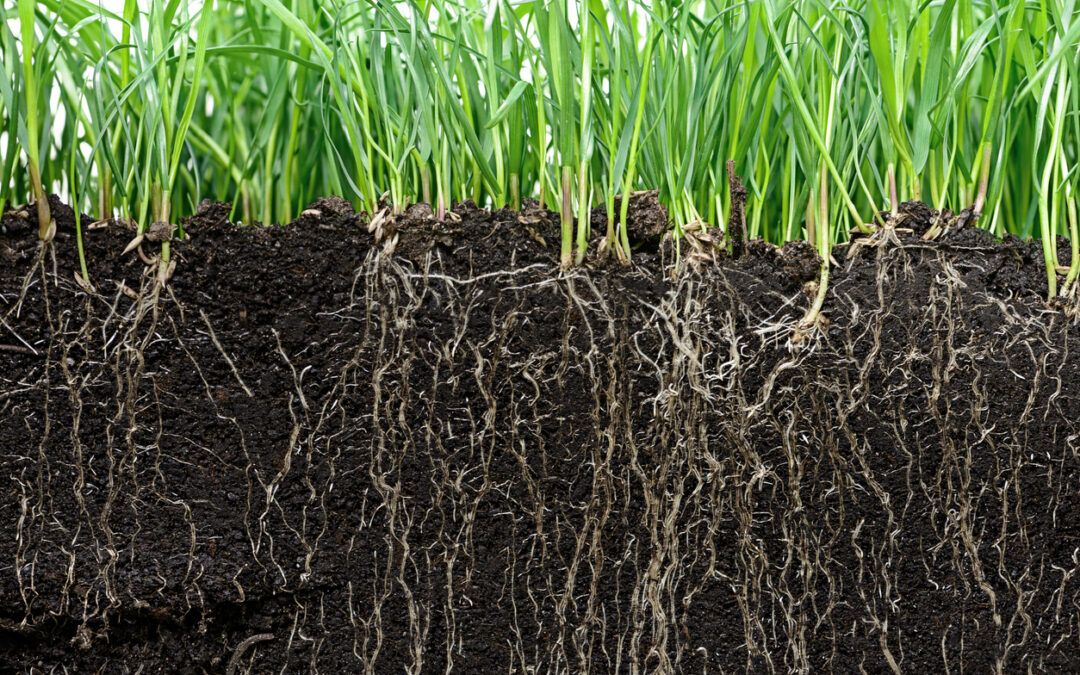
For cool-season lawns in Maine, meaningful root activity and grass growth generally begin once soil temperatures consistently reach about 50–55°F.
That threshold is important because it activates several key biological processes inside the lawn:
- Root growth increases
- Nutrient uptake improves
- Soil microbes become more active
- Grass begins producing new leaf tissue
- Pre-emergent weed control timing becomes effective
Until soil temperatures reach this range consistently, lawns remain in a semi-dormant state—even if daytime air temperatures feel spring-like.
This is why lawns across Northern Maine often look weeks behind lawns farther south.
Why Northern Maine Takes Longer to Green Up
Northern Maine presents unique challenges when it comes to soil warming.
Even after snow begins melting, several factors continue delaying lawn growth:
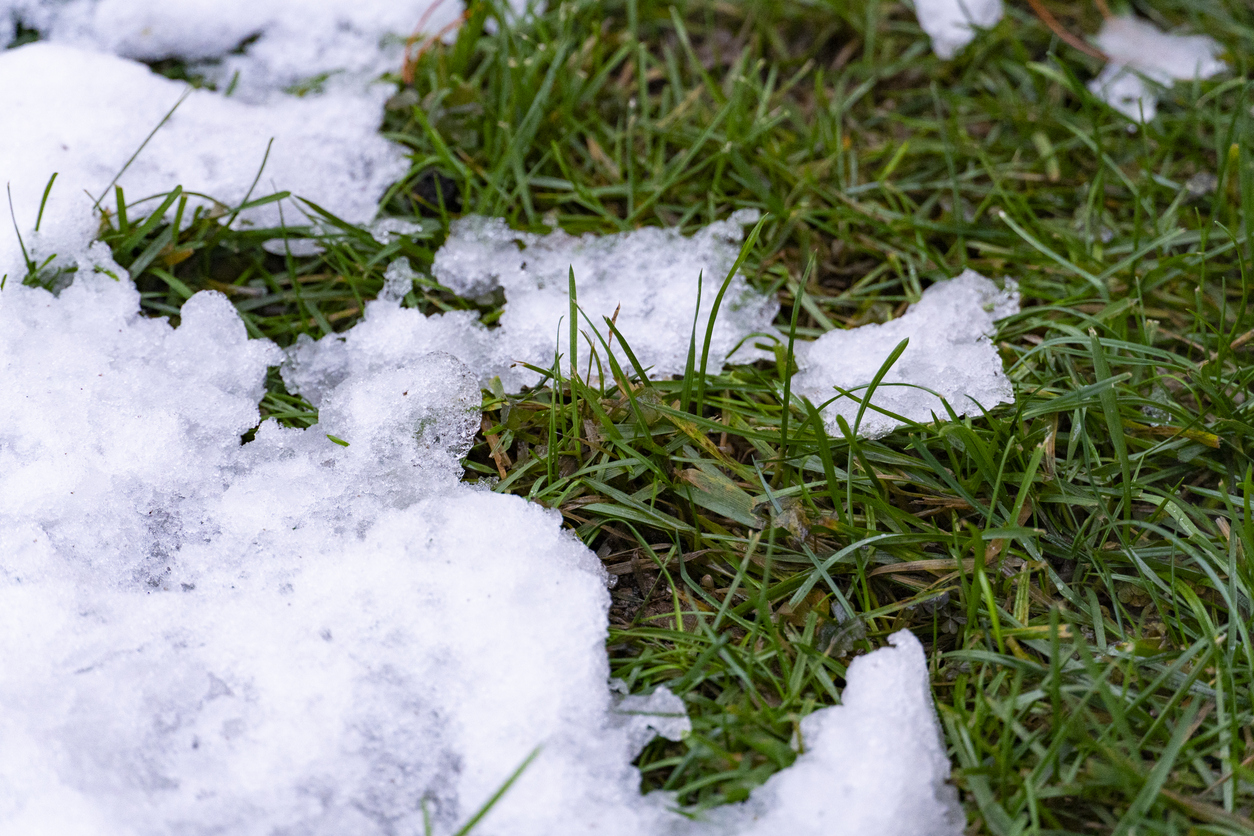
Snow Cover Insulates the Ground – Deep snowpack acts like insulation throughout winter. While it protects turfgrass from extreme temperature swings, it also slows the warming process once spring arrives.
Frost Depth Remains Below the Surface – Even when the top layer appears thawed, colder soil can remain deeper underground for weeks. This delays root activity and moisture movement.
Shorter Growing Season – Northern Maine naturally has a shorter growing window than Southern New England. Fewer warm nights in early spring mean soil temperatures rise more gradually.
Reduced Sun Angles and Shade – Wooded properties, shaded lawns, and north-facing areas often warm much slower than open sunny spaces.
This is why homeowners in areas like Presque Isle, Caribou, and surrounding Northern Maine communities may still see slow green-up while Bangor-area lawns are already becoming more active.
What Soil Temperature Controls in Your Lawn – Soil temperature impacts far more than just the color of the grass.
It directly affects how your lawn functions below the surface.
Root Activity – Grass roots remain sluggish in cold soil. Once temperatures stabilize in the 50–55°F range, roots begin actively growing and absorbing nutrients again.
Nutrient Uptake – Fertilizer applications rely on active plant metabolism. If soil remains too cold, the lawn cannot efficiently absorb or utilize nutrients.
Weed Control Timing – Pre-emergent crabgrass prevention products are timed around soil temperatures—not calendar dates. Applying too early or too late can reduce effectiveness.
Moisture Movement – Cold soils slow evaporation and drainage. This can contribute to muddy areas, compaction, and stress during early spring thaw periods.
Microbial Activity – Healthy soil biology begins increasing as temperatures rise. Beneficial microbes help break down organic matter and improve nutrient availability.
Why Professional Lawn Care Timing Matters
At Northern Turf Management, lawn care timing is based on real-world lawn conditions—not simply because the calendar says spring has arrived.
Professional applications are carefully timed around:
- Soil temperature trends
- Frost conditions
- Turfgrass activity
- Moisture levels
- Regional growing patterns across Maine
This is especially important in Northern Maine, where applying treatments too early can limit effectiveness and waste valuable growing opportunities.
For example, fertilizer applied before active root uptake may not provide the full benefit homeowners expect. Likewise, weed prevention timing needs to align closely with soil warming patterns for optimal results.
That’s why spring lawn care often begins gradually and strategically rather than all at once.
What Homeowners Should Expect Over the Next Few Weeks
If your lawn still looks patchy, pale, or slow to wake up, that’s completely normal for this time of year in Maine.
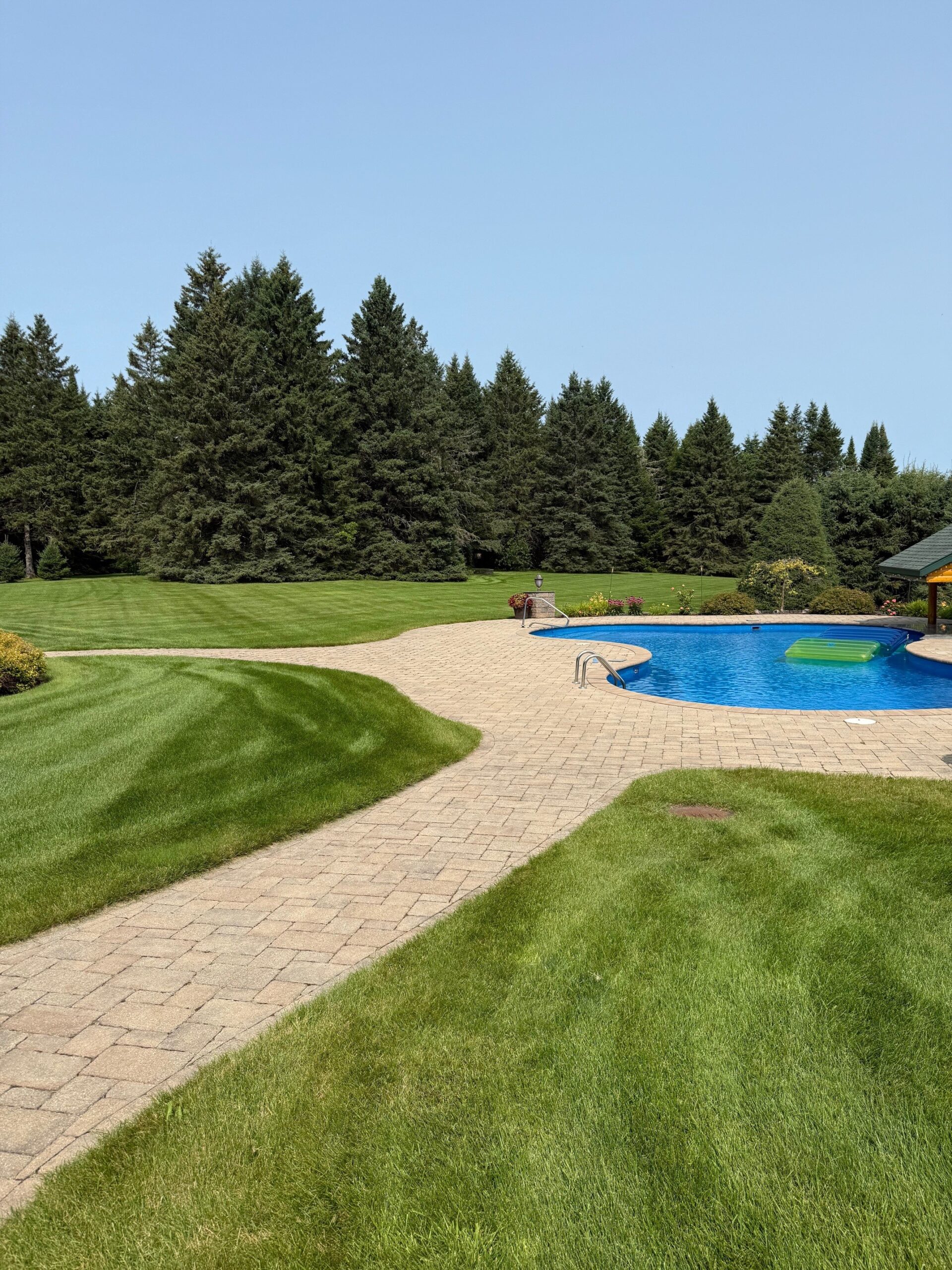
As soil temperatures continue stabilizing over the next several weeks, homeowners can expect:
- Gradual green-up
- Improved turf density
- Increased mowing frequency
- Faster fertilizer response
- Stronger root development
The key is patience.
Lawns in Northern Maine rarely “flip a switch” overnight. Instead, growth builds steadily as soil conditions improve.
Trust Local Expertise for Maine Lawn Conditions
Maine lawns operate on a completely different schedule than many other parts of the country. Understanding soil temperature, regional climate patterns, and proper treatment timing is critical to achieving long-term lawn health.
At Northern Turf Management, we tailor our lawn care programs specifically for Maine’s climate and growing conditions. From early spring fertilization timing to weed prevention and seasonal turf health, our team monitors the conditions that actually matter beneath the surface.
If you’re ready for a healthier, greener lawn this season, contact Northern Turf Management today at 207-544-9420 for a customized lawn care program built for Northern Maine conditions.
For additional lawn care topics, check out our blog!