
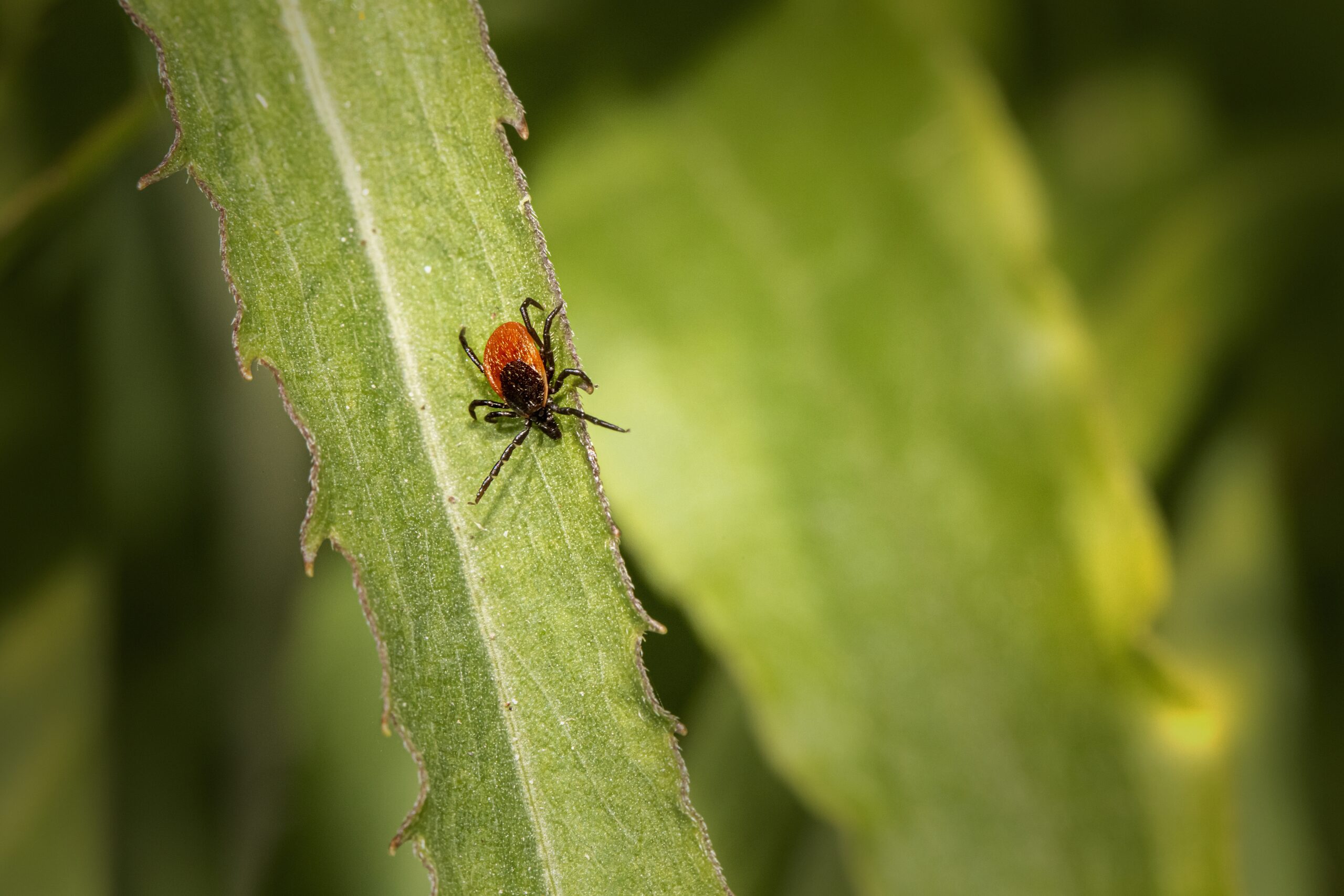
If you’re spending more time outside this spring and wondering whether ticks are already active in Northern Maine, the short answer is yes. Even though parts of the region may still be drying out from snow melt or waiting for full green-up, ticks become active much earlier than many homeowners realize.
In areas like Bangor, Hampden, Presque Isle, and surrounding Northern Maine communities, tick activity can begin as soon as temperatures consistently rise above freezing. Mild spring days, damp conditions, and lingering leaf litter create ideal environments for ticks to emerge and begin searching for hosts.
Understanding where ticks are hiding, how active they are this time of year, and what you can do now can help reduce your family’s exposure heading into peak outdoor season.
When Do Ticks Become Active in Northern Maine?
Ticks do not wait for summer to arrive. In fact, many species become active during early spring whenever daytime temperatures climb into the 40s and 50s.
This often happens well before lawns fully green up or trees begin leafing out. As snow melts and moisture builds in shaded areas, ticks emerge from protected overwintering locations and begin seeking hosts such as deer, rodents, pets, and humans.
Northern Maine homeowners are often surprised to learn that:
- Ticks can survive under snow cover during winter
- Early spring moisture helps support tick activity
- Cool temperatures do not eliminate tick risk
- Some ticks remain active during mild winter stretches
Because of this, homeowners should begin thinking about tick prevention much earlier than Memorial Day weekend.
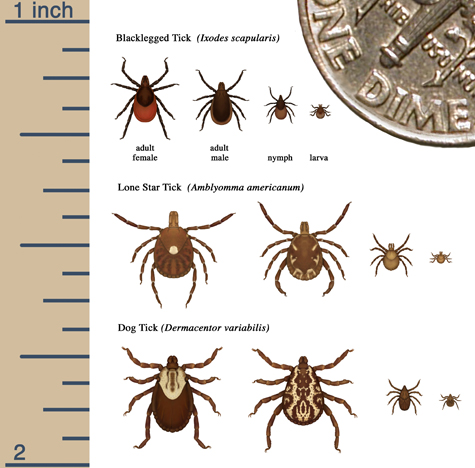
Image Source: Center for Disease Control
Where Are Ticks Hiding Right Now?
Early in the season, ticks are typically concentrated in protected, moist environments rather than open sunny lawns. While a manicured lawn itself is less attractive to ticks, the surrounding habitat often creates ideal conditions.
Right now, ticks are commonly found in:
- Leaf litter left over from fall
- Wooded edges bordering the lawn
- Areas with tall grass or brush
- Stone walls and stacked wood
- Damp shaded areas near foundations
- Transition zones between woods and turf
- Around ornamental beds with heavy mulch or debris
One of the highest-risk areas is often the perimeter of the property where maintained lawn meets wooded areas. Pets and children playing near these edges can unknowingly pick up ticks before they ever notice them.
Early-Season Tick Risk vs. Peak Summer Risk
Tick activity in spring is different from what homeowners typically experience in midsummer.
During early spring:
- Tick populations are beginning to emerge
- Homeowners are less likely to be thinking about ticks yet
- Outdoor activity starts increasing
- Protective routines may not be established
This creates an overlooked risk window where exposure can happen unexpectedly.
By summer:
- Tick populations are generally more widespread and active
- Tall vegetation becomes thicker
- People spend more time outdoors
- Tick awareness tends to increase
The key takeaway is that spring prevention matters. Addressing tick habitat and beginning control efforts early can help reduce populations before peak activity arrives.
The Lone Star Tick Is Becoming a Bigger Concern
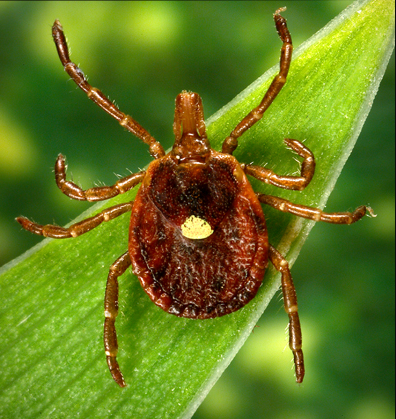
While the blacklegged tick (commonly called the deer tick) remains the primary concern in Maine because of Lyme disease, homeowners are also hearing more about the Lone Star Tick in New England.
The Lone Star Tick is an emerging species that has gradually expanded farther north in recent years. While still less common in Northern Maine than in southern New England, sightings and concerns continue to grow throughout the region.
These ticks are known for:
- Aggressive behavior compared to some native species
- Actively pursuing hosts
- Potentially transmitting additional illnesses
- Causing Alpha-gal syndrome, a red meat allergy linked to certain bites
As changing weather patterns and wildlife movement continue influencing tick populations, homeowners should remain aware that tick pressures are evolving across Maine.
DIY Tick Prevention Tips for Homeowners
Reducing tick exposure starts with simple daily habits, especially during spring and summer.
Wear protective clothing when walking near wooded areas or performing yardwork:
- Wear long sleeves and pants
- Tuck pants into socks when possible
- Choose lighter-colored clothing to spot ticks easier
Perform tick checks after spending time outdoors:
- Check behind knees
- Around the waistline
- Under arms
- Along the hairline and scalp
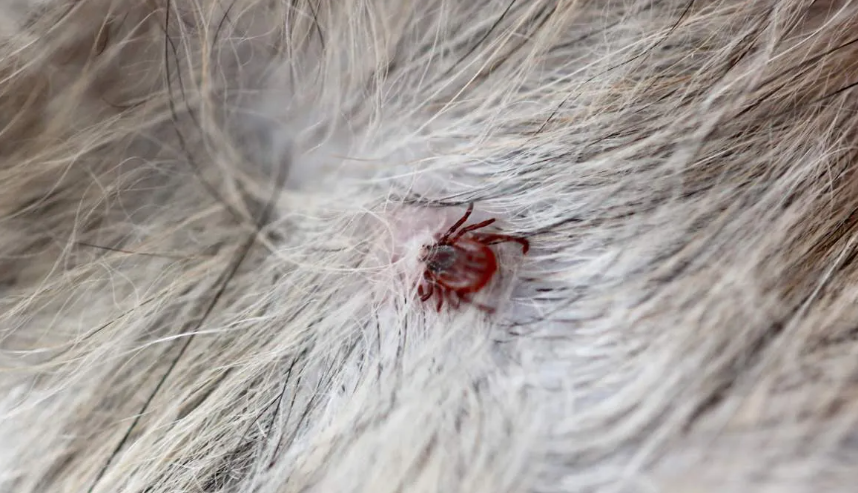
- Around pets’ ears and paws
Prompt removal greatly reduces the chance of disease transmission.
Protect Pets
Dogs and outdoor cats frequently bring ticks into the yard and home. Talk with your veterinarian about:
- Tick preventatives
- Tick collars
- Oral medications
- Regular grooming and inspections
Yard-Focused Tick Prevention Strategies
While personal prevention is important, managing the outdoor environment plays a major role in reducing tick pressure around the home.
Homeowners can help by:
- Removing leaf litter and yard debris
- Trimming overgrown vegetation
- Creating separation between wooded areas and lawn
- Keeping grass maintained
- Reducing moisture retention near the home
- Limiting brush piles and dense ground cover
However, habitat reduction alone usually does not eliminate tick activity entirely—especially in wooded Northern Maine environments where wildlife movement is constant.
That’s where professional tick control treatments can help.
Professional applications target:
- Tick resting areas
- Perimeter zones around the property
- Shaded vegetation
- High-risk transition areas
A proactive treatment program can significantly reduce tick populations and help create a safer outdoor space for your family and pets throughout the season.
Protect Your Northern Maine Property This Spring
Ticks are already active across Northern Maine, even if your lawn is only beginning to wake up from winter. Taking action now can help reduce exposure before peak summer activity arrives.
At Northern Turf Management, we provide professional tick control services designed specifically for Maine properties and seasonal conditions. Our treatments focus on reducing tick populations where they hide most, helping homeowners enjoy their yards with greater peace of mind.
If you’re ready to protect your lawn, family, and pets this season, contact our team today at (207) 544-9420 or request a quote online to learn more about our tick control programs.