
Turf Insect Control
DON’T LET INSECTS RUIN YOUR LAWN
Turf-damaging insects are one of the most common causes of thinning, brown, and dying lawns in Northern Maine. Pests such as white grubs, crane fly larvae, and sod webworms feed on the roots and crowns of turfgrass, weakening the lawn from below the surface.
By the time damage appears above ground, the insects have often already completed much of their feeding cycle. That’s why Northern Turf Management focuses on preventative turf insect control programs designed to protect your lawn before damage begins.
Our treatments target damaging insects during their most vulnerable life stages, helping homeowners in the Bangor, Caribou, and Presque Isle regions maintain thick, healthy turf throughout the growing season.
Insects That Damage Lawns in Northern Maine
White Grubs – Sub Surface Feeders
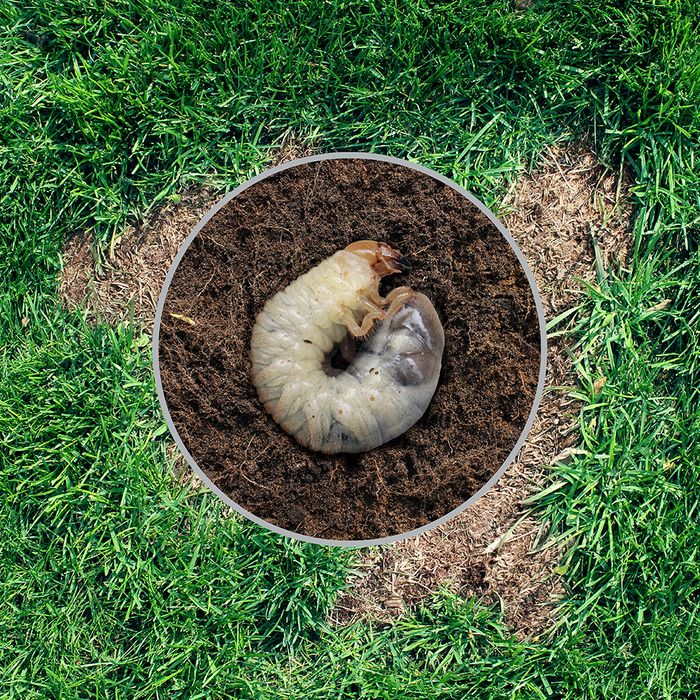
As the name suggests, these insects do their damage below the surface of the ground. The chief insect in this category that we deal with is the white grub complex. These can include any of several beetle species, however the most common ones that we deal with are Japanese beetles and European chafers. The larval stage of these insects are all “grubs,” or cream colored, C-shaped worm-like creatures. They feed on the roots of the turfgrass plants, which of course weakens the plants and in many cases depletes their energy reserves to the point of death. In addition to the extensive damage the pests themselves can cause skunks, crows, and other scavengers love to tear apart grub-infested turf areas like a rototiller to search for a juicy insect meal. Many times while they are not the initial cause of the turf issues, they certainly make it a larger mess in a hurry.
When it comes to these insects, a preventative approach is really the only viable option for control. Once these pests have attacked your lawn and any damage gets noticed, it is usually too late to control them curatively as the damage will have been done.
Sod Webworms – Surface Feeder
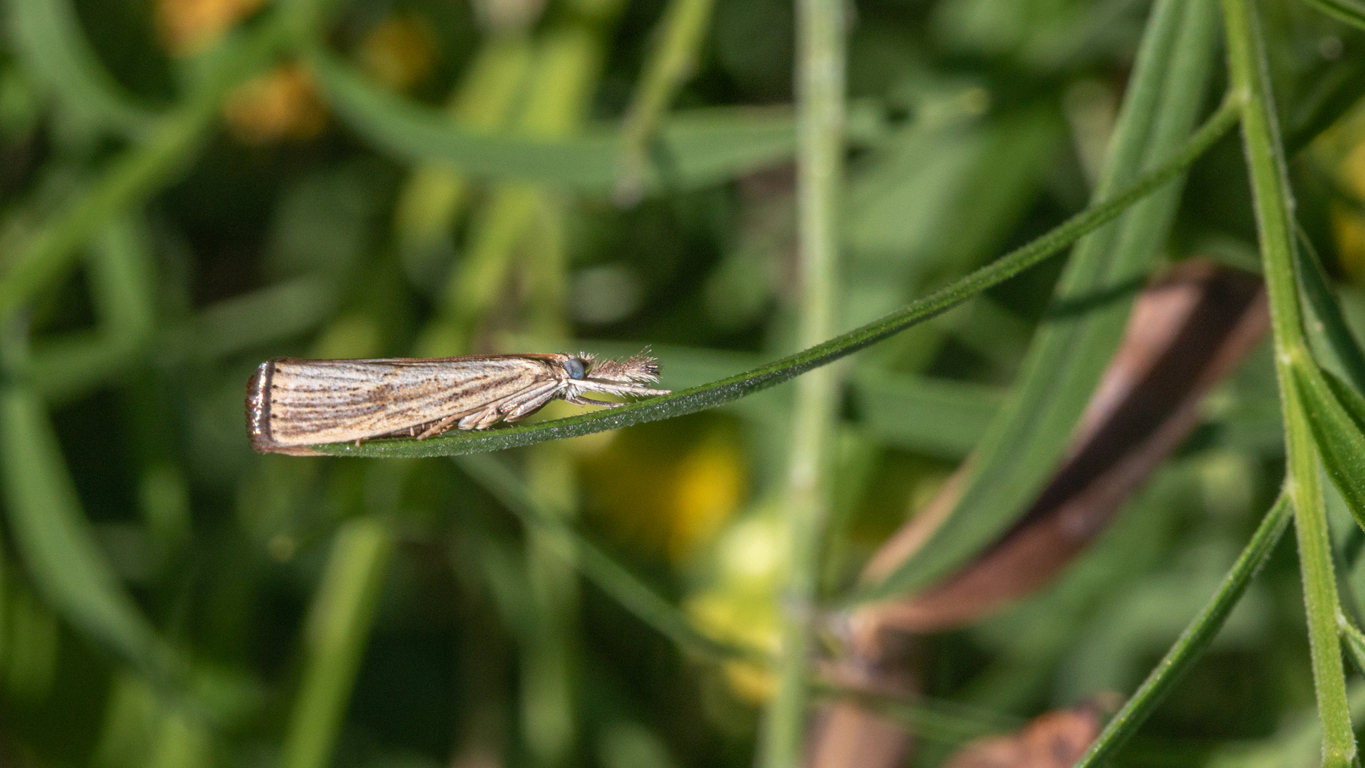
Sod webworms are the larvae of small lawn moths and can cause noticeable damage during the summer months. These caterpillar-like insects feed on grass blades at night, chewing them down near the crown of the plant. As populations increase, lawns may develop small brown patches that gradually expand and give the turf a thin, drought-stressed appearance. You may also notice small moths flying low across the lawn when mowing or walking through the yard. Healthy, well-maintained turf is more resilient to webworm feeding, and targeted turf insect control treatments can help prevent populations from reaching damaging levels.
Chinch Bugs – Surface Feeder
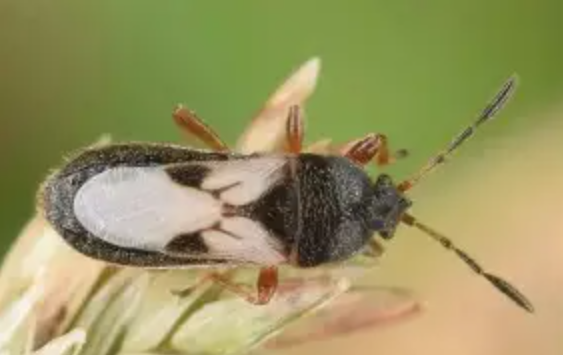
Chinch bugs are small surface-feeding insects that can cause significant damage to turf during hot, dry weather. These pests feed by piercing grass blades and sucking out plant juices while injecting toxins that disrupt the turf’s ability to move water and nutrients. As a result, lawns may develop irregular yellow or brown patches that continue to expand even with watering. Chinch bug damage is often mistaken for drought stress, but unlike dry turf, the grass does not recover with irrigation. Early detection and targeted insect control treatments can prevent populations from spreading and protect the overall health and density of the lawn.
READY TO GET STARTED?
Reach Out To Northern Turf Management Today