Lawn Disease Management
Protecting Your Lawn from Common Turf Diseases
A healthy lawn doesn’t just depend on fertilization and weed control—turf diseases can quickly undo progress if left untreated. In Northern Maine, fluctuating temperatures, snow cover, humidity, and moisture create the perfect environment for lawn diseases to develop.
At Northern Turf Management, we take a proactive and diagnostic approach to lawn disease control—identifying issues early and applying targeted treatments to protect your turf and restore its health.
Common Lawn Diseases We Treat

Red Thread
Red thread is one of the most common lawn diseases in Northern Maine, especially during cool, damp conditions in late spring and early summer.
What it looks like:
- Pink or reddish threads on grass blades
- Irregular, patchy areas of thinning turf
- Grass may appear tan or bleached
Why it happens:
- Low nitrogen levels in the soil
- Extended periods of moisture (dew, rain, humidity)
- Slower-growing turf in cooler temperatures
Our approach:
- Balanced fertilization to strengthen turf
- Monitoring moisture conditions
- Targeted fungicide applications when necessary
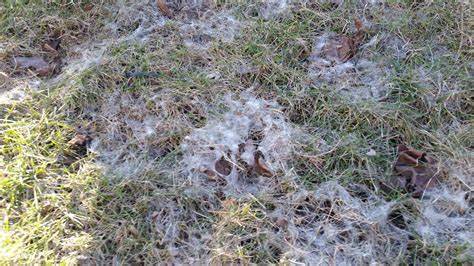
Grey & Pink Snow Mold
Snow mold is a very common early spring issue across Bangor, Hampden, and Presque Isle due to long winters and extended snow cover.
What it looks like:
- Circular patches of matted grass after snow melt
- Gray or pinkish fungal growth
- Flattened, straw-colored turf
Why it happens:
- Prolonged snow cover over unfrozen ground
- Poor air circulation
- Excess thatch or late-season fertilization
Our approach:
- Spring recovery treatments to encourage regrowth
- Lawn conditioning to reduce thatch
- Preventative strategies heading into winter
Brown Patch & Summer Patch
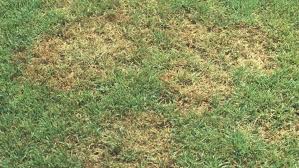
Patch diseases like brown patch and summer patch become more active during warmer, humid periods, typically mid to late summer.
What it looks like:
- Circular or ring-shaped patches
- Dark green outer edges with thinning centers
- Turf may wilt or collapse quickly
Why it happens:
- High humidity and nighttime temperatures
- Overwatering or poor drainage
- Heat stress combined with turf weakness
Our approach:
- Monitoring environmental conditions
- Adjusting lawn care practices (watering, mowing height)
- Targeted fungicide treatments during peak risk periods
Why Lawn Disease Happens in
Northern Maine
Northern Maine lawns face unique environmental pressures that increase disease risk:
- Long winters with extended snow cover
- Cool, wet springs that promote fungal activity
- Sudden summer heat and humidity swings
- Naturally acidic or nutrient-deficient soils
Without proper care, these conditions can weaken turf and make it more vulnerable to disease outbreaks.
Our Disease Management Strategy
At Northern Turf Management, we don’t just treat symptoms—we address the root cause.
Our program includes:
- Ongoing lawn monitoring and early detection
- Soil health and fertility balancing
- Cultural practice recommendations (mowing, watering)
- Targeted fungicide applications when needed
- Seasonal adjustments based on Maine conditions
This integrated approach ensures your lawn stays strong, resilient, and better equipped to resist disease naturally.
How Homeowners Can Help Prevent Lawn Disease
Simple habits can make a big difference in reducing disease pressure:
Avoid mowing when the lawn is wet
Keep mower blades sharp for clean cuts
Water deeply, but not too frequently
Improve drainage in problem areas
Follow a consistent lawn care program
Get Ahead of Lawn Disease This Season
If you’re seeing patches, discoloration, or thinning turf, it may already be a sign of disease. The earlier it’s addressed, the easier it is to correct.
Let Northern Turf Management help protect and restore your lawn.
Contact our team today to schedule an evaluation and build a lawn care program designed for Maine conditions.