

As temperatures drop and the landscape turns dormant, your lawn and ornamentals face new challenges—some from the environment, and others from wildlife. Among the most common winter concerns for Maine homeowners are deer damage and winter desiccation (drying out) of broadleaf evergreens. Fortunately, Northern Turf Management offers two specialized solutions to keep your property looking its best through the toughest season: deer repellent and anti-desiccant treatments.
Why Deer Target Your Landscape
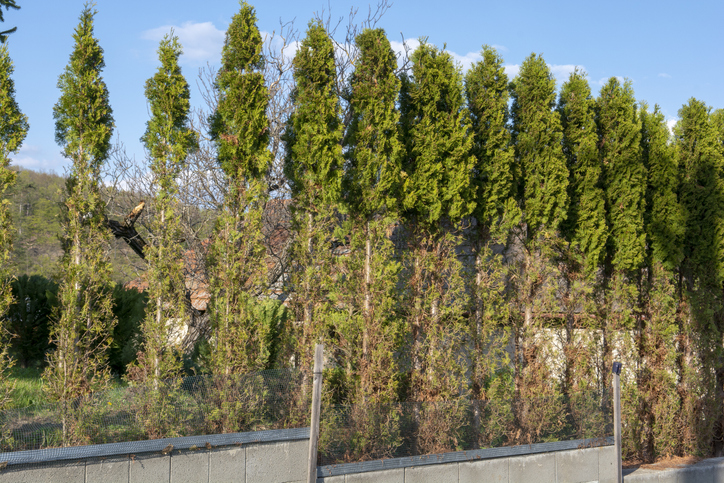
When snow covers the ground and food becomes scarce in the forest, deer turn to residential landscapes for easy feeding. Ornamental trees and shrubs like arborvitae, yews, hemlocks, rhododendrons, and euonymus are among their favorites.
Deer typically feed from the ground up to about five feet high—the level they can comfortably reach—leaving your once-lush evergreens unevenly stripped and permanently disfigured. Beyond the aesthetic damage, repeated browsing weakens plants, making them more susceptible to disease, cold injury, and even death over time.
While fencing can be effective, it’s not always practical or desirable. That’s where professional deer repellent applications come in.
How Deer Repellent Treatments Work
Northern Turf’s deer repellent program is designed to make your landscape plants undesirable to deer by both taste and scent. The treatment is applied directly to at-risk plants and creates a harmless, invisible barrier that discourages feeding.
Our repellents are:
- Safe and natural – Non-toxic to plants, people, and pets.
- Weather-resistant – Formulated to stay effective through snow and rain.
- Long-lasting – Typically protecting plants for 8–12 weeks per application.
Deer repellents are especially important to apply in late fall, before heavy snow cover and cold temperatures set in. By conditioning deer to avoid your yard early in the season, we can reduce browsing pressure all winter long.
Protecting Evergreens from Winter Burn
While deer are one threat to your evergreens, winter weather itself can be just as damaging. Winter desiccation, or “winter burn,” occurs when evergreens lose more moisture through their foliage than they can replace through frozen roots. This is especially common in broadleaf evergreens such as rhododendrons, boxwoods, mountain laurels, and hollies.
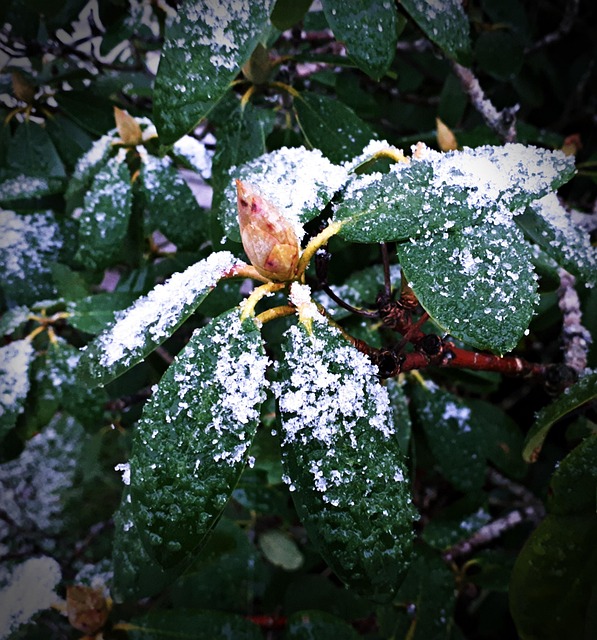
Symptoms of winter burn include:
- Browning or yellowing of leaves and needles
- Curling or scorched foliage
- Dieback on exposed sides of plants (usually south or west facing)
Dry winter winds, cold temperatures, and sun exposure all contribute to moisture loss. The damage isn’t always apparent until spring, when plants fail to green up or show patchy brown foliage.
The Role of Anti-Desiccant Treatments
Anti-desiccant (or anti-transpirant) treatments provide a layer of protection by coating leaves and needles with a thin, clear film that reduces moisture loss. This protective barrier slows transpiration—the process by which plants release water—helping evergreens retain essential moisture throughout the winter months.
Northern Turf applies anti-desiccant products that are professional-grade, plant-safe, and biodegradable. Treatments are typically applied in late fall or early winter, once plants are fully hardened off but before the first deep freeze. In some cases, a mid-winter reapplication may be recommended for added protection, especially in windy or exposed locations.
Why These Treatments Work Best Together
Deer repellent and anti-desiccant treatments address two different but equally damaging threats. When used together, they provide comprehensive winter protection for your ornamental landscape:
- Deer repellents prevent physical browsing damage from hungry wildlife.
- Anti-desiccants protect against environmental stress and winter drying.
By combining both services, Northern Turf ensures your evergreens stay healthy, full, and vibrant from winter through spring—so you can enjoy a lush, thriving landscape year-round.
When to Schedule Your Treatments
Timing is key. The ideal window for both deer repellent and anti-desiccant applications is late fall, once temperatures have consistently cooled but before the ground freezes solid. Early scheduling allows your technician to protect plants before the harshest winter conditions arrive.
If you’ve noticed past seasons’ damage—browned foliage, stripped arborvitae, or uneven growth—it’s a sign that your property could greatly benefit from these preventative treatments.
Trust the Northern Turf Experts
At Northern Turf Management, we understand the unique challenges that Maine’s winters pose for your landscape. Our team uses high-quality, proven products applied by experienced professionals who know how to protect your investment through every season.
Whether you’re safeguarding your arborvitae from deer browsing or helping your rhododendrons retain their lush foliage, Northern Turf’s winter protection services offer peace of mind—and a healthier, more resilient landscape come spring.
Contact us today at 207-544-9420 to schedule your deer repellent and anti-desiccant treatments before winter sets in! For additional reading, please visit our blog!