
Every spring, many homeowners look out at their lawn and think, “We’ll deal with it later.” The grass is still brown, weeds haven’t fully popped yet, and life is busy. Unfortunately, if lawn care starts too late, it may yield some real consequences—and higher costs.
Starting a lawn care program too late in the season doesn’t just delay results. It can create a chain reaction of weed pressure, thinning turf, longer recovery timelines, and more aggressive (and expensive) treatments down the road. Here’s what really happens when lawn care is postponed—and why timing matters more than most people realize.
Weeds Get a Head Start (And They Don’t Give It Back)
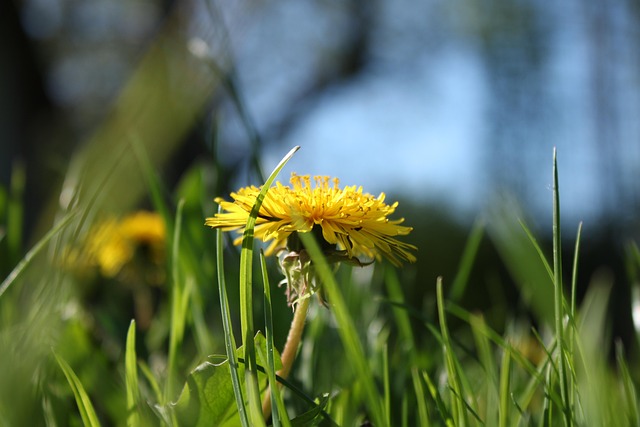
One of the biggest risks of late lawn care is unchecked weed growth. Early-season treatments are designed to prevent weeds before they germinate or establish deep root systems. When those applications are missed or delayed, weeds gain the upper hand.
Common early invaders like crabgrass, dandelion, clover, and broadleaf weeds thrive in open soil and weak turf. Once established, they:
- Compete aggressively for nutrients, water, and sunlight
- Spread quickly, crowding out desirable grass
- Require multiple follow-up treatments instead of one preventative application
In short, preventing weeds is always easier—and more cost-effective—than chasing them later.
Thin Turf Becomes Vulnerable Turf
Healthy lawns rely on density. Thick turf naturally shades soil, suppresses weeds, and holds moisture more efficiently. When lawn care starts late, grass often struggles to fill in during its most important growth window.
Thin turf can result from:
- Missed early fertilization that fuels spring growth
- Soil that hasn’t been conditioned or corrected in time
- Weeds taking over space meant for grass
Once turf becomes thin, lawns are more susceptible to:
- Summer stress and drought damage
- Insect pressure
- Disease outbreaks
Instead of building strength early, the lawn spends the season playing defense.
Recovery Takes Longer Than You Expect
Many homeowners assume that once treatments begin, results will be immediate. In reality, lawns have biological limits. Grass grows in cycles, and certain improvements can only happen during specific windows of the year.
When lawn care starts late:
- Weed control may take multiple rounds to show results
- Thin areas may not recover until fall
- Soil improvements are delayed, slowing nutrient uptake
This often means the lawn won’t look its best until the following season—not because the program failed, but because it started behind.
Delayed Starts Often Mean Higher Costs
Waiting doesn’t just affect appearance—it impacts the overall investment required to restore lawn health. A late start may require:
- Additional weed control applications
- Higher fertilizer rates to compensate for lost growth time
- Supplemental services like overseeding, aeration, or soil amendments
What could have been a smooth, preventative program often turns into a reactive recovery plan. Starting early allows treatments to work with the lawn’s natural growth cycle instead of against it.
Early Action Sets the Foundation for the Entire Season
A timely lawn care program focuses on prevention, balance, and steady improvement. When services begin early:
- Weeds are controlled before they spread
- Turf thickens naturally during peak growth
- Soil health improves gradually and sustainably
The result isn’t just a greener lawn—it’s a lawn that’s easier to maintain, more resilient in summer, and better prepared for the seasons ahead.
Don’t Let Waiting Cost You Another Season
If your lawn struggled last year or hasn’t bounced back the way you hoped, timing may be the missing piece. The earlier a program begins, the more efficient—and affordable—the path to a healthier lawn becomes.
Call Northern Turf today to schedule your lawn evaluation and get ahead of the season. A proactive start now can save time, money, and frustration later—while setting your lawn up for long-term success.